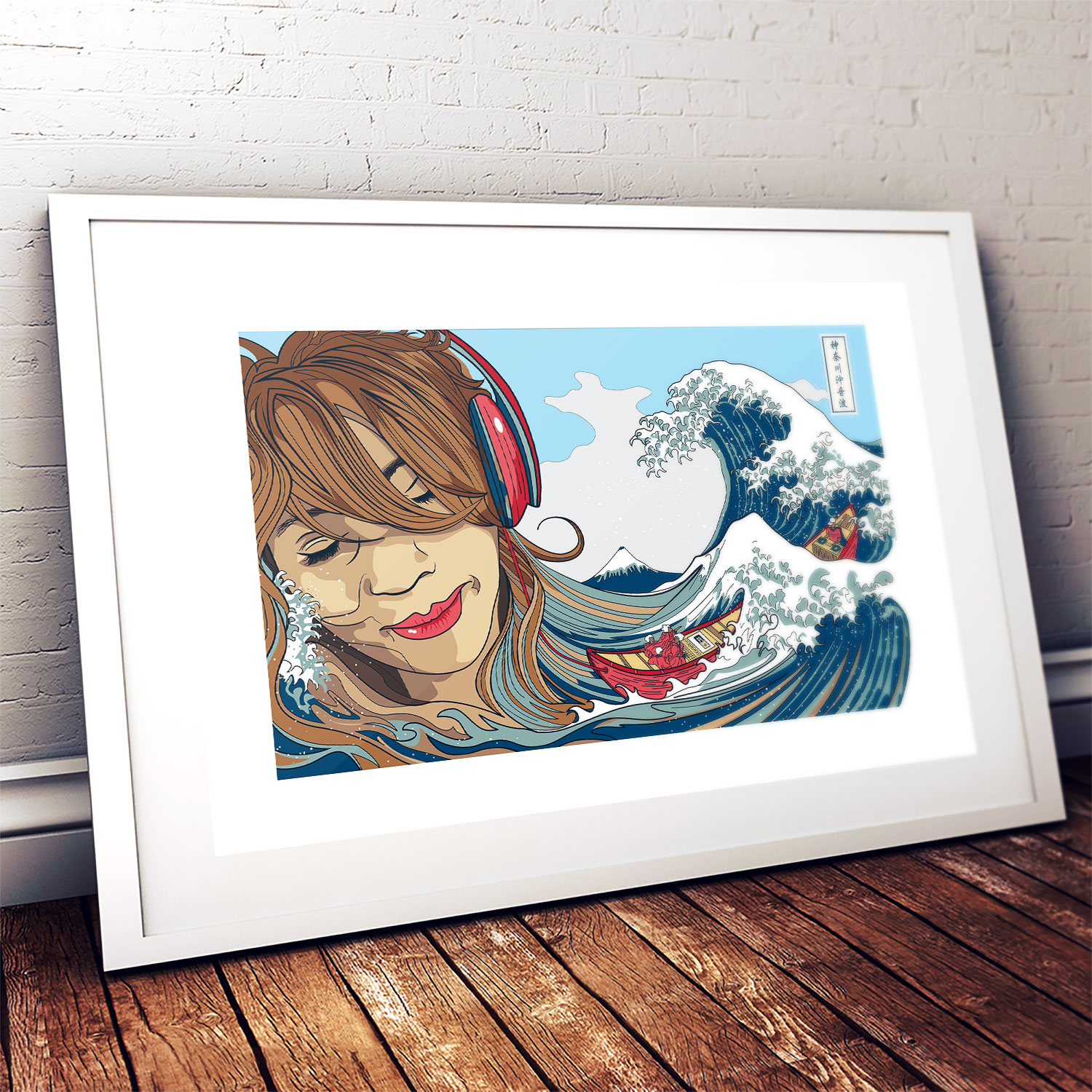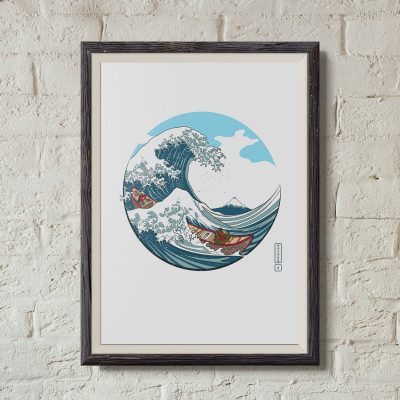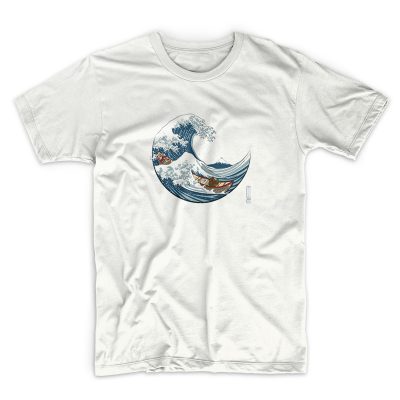
Soundwave off Kanagawa Art print (神奈川沖音波)

Soundwave off Kanagawa Art print (神奈川沖音波)

Soundwave off Kanagawa (神奈川沖音波) Art print

A retrospective look at a classic ukiyo-e print

Following the latest uchi print based on The Great Wave off Kanagawa (神奈川沖浪裏), we look at the Ukiyo-e traditional Japanese woodblock prints and in particular the works of ukiyo-e artist Katsushika Hokusai.

Soundwave off Kanagawa
神奈川沖音波

Fine art print

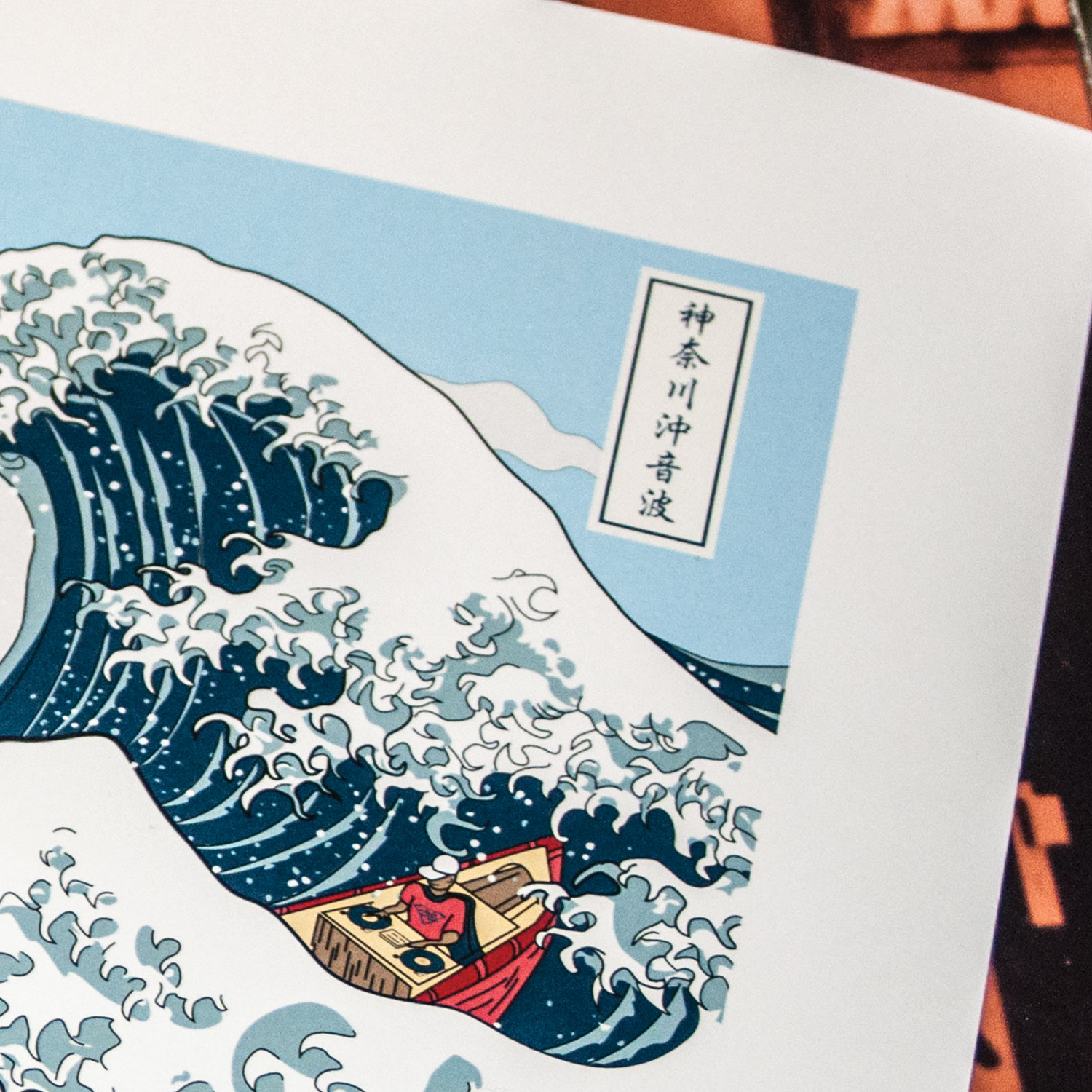
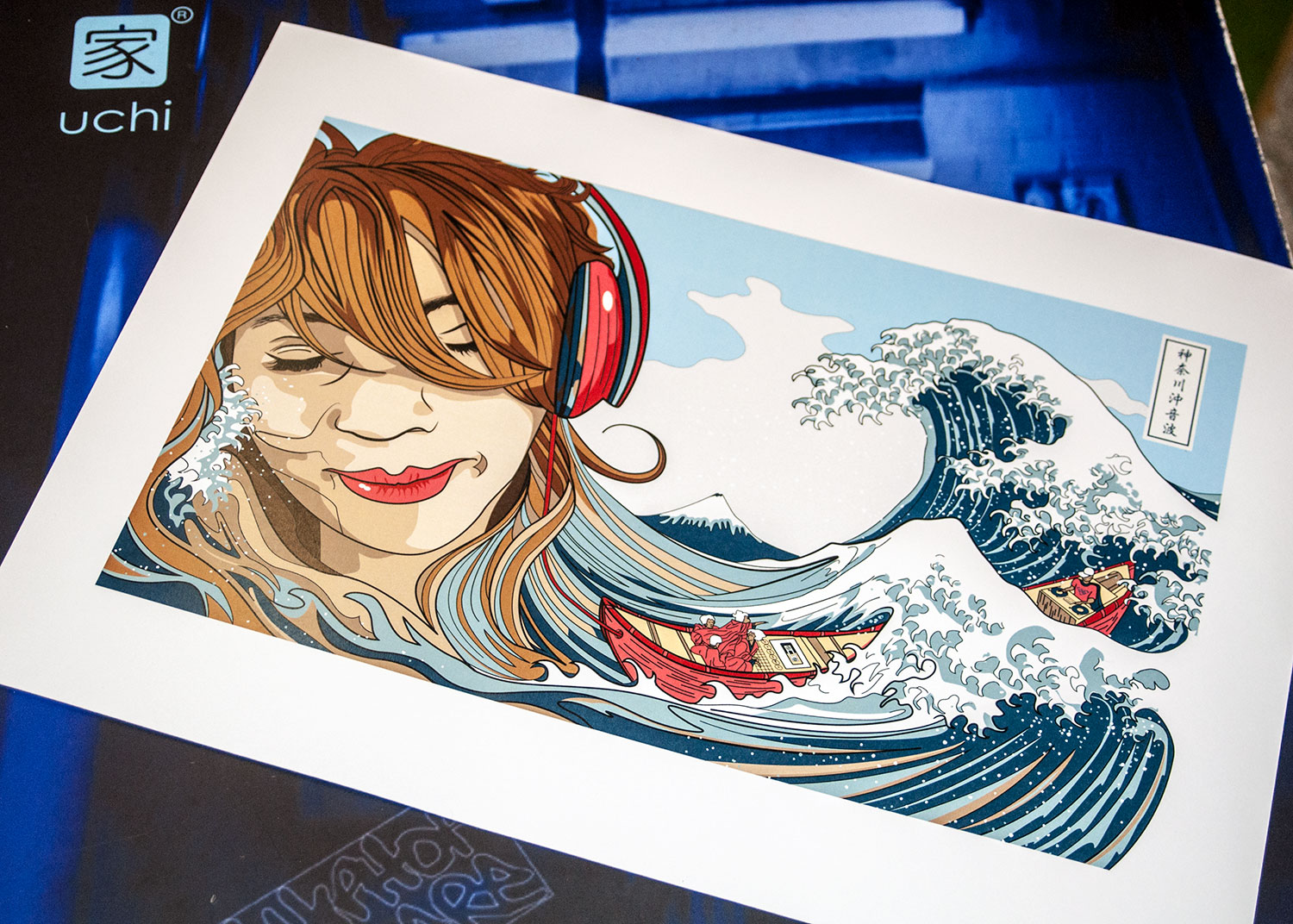
A fine art print of an original illustration based on The Great Wave off Kanagawa (神奈川沖浪裏) Japanese woodblock print by ukiyo-e artist Katsushika Hokusai.

Available in A3, A2 and A1 fine art paper prints. Signed by the artist.
Soundwave off Kanagawa (神奈川沖音波)

Pictures of the Floating World

Ukiyo-e refers to the Japanese paintings and woodblock prints that emerged in Japan’s Edo period (1615-1868). These affordable prints captured everyday Japanese life; stylish courtesans, kabuki theatres, sumō wrestlers, historical events, landscapes and erotica. Ukiyo-e (浮世絵), although often translated as “pictures of the floating world,” literally means “Pictures of the fleeting world”, that is the fleeting secular world. As such, the paintings and prints were more appealing and diverse than art of the ruling Shōgun class.
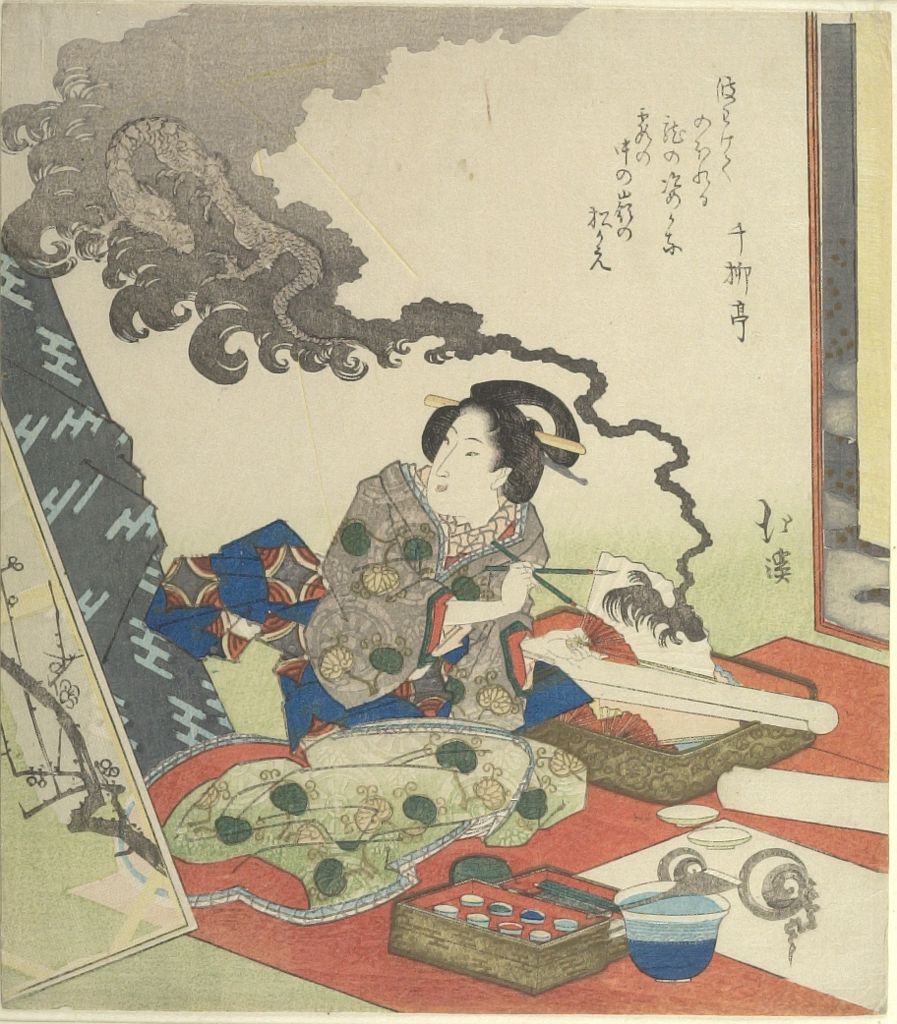
Totoya Hokkei: Girl Painting Dragon

Not only did the ukiyo-e prints document the leisure activities and climate of the era, they also showcased Japanese aesthetics of beauty, nature and spirituality to the outside world and was central to forming the West’s perhaps misleading perception of Japanese culture. The development of multicoloured printing led to mass-marketing and increased popularity, and by the mid-19th century a print could run into the thousands. At this time the Japanese arts were ‘trending’ in Western culture and had a strong influence on early Impressionists and Art Nouveau artists such as Monet, Vincent van Gogh and Toulouse-Lautrec. Today, ukiyo-e is still the best know style of Japanese painting.

Katsushika Hokusai had more aliases than a Wu-Tang Clan member

Born in what is known now as Tokyo in 1760 Katsushika Hokusai began painting early in life. His name as a child was “Tokitarō” and at 14 began honing his skills as an apprentice wood-carver. He then studied under the ukiyo-e artist Katsukawa Shunshō who would give him a new name “Shunrō” and from whose school he would eventually be expelled. An inspiring time for an artist, he is quoted as saying “What really motivated the development of my artistic style was the embarrassment I suffered at Shunkō’s hands.” He now had a new focus. Instead of the usual courtesans and Kabuki images practiced by artists like his former master, he focused on landscapes and the portrayal of everyday Japanese society, changing both his career and ukiyo-e art.
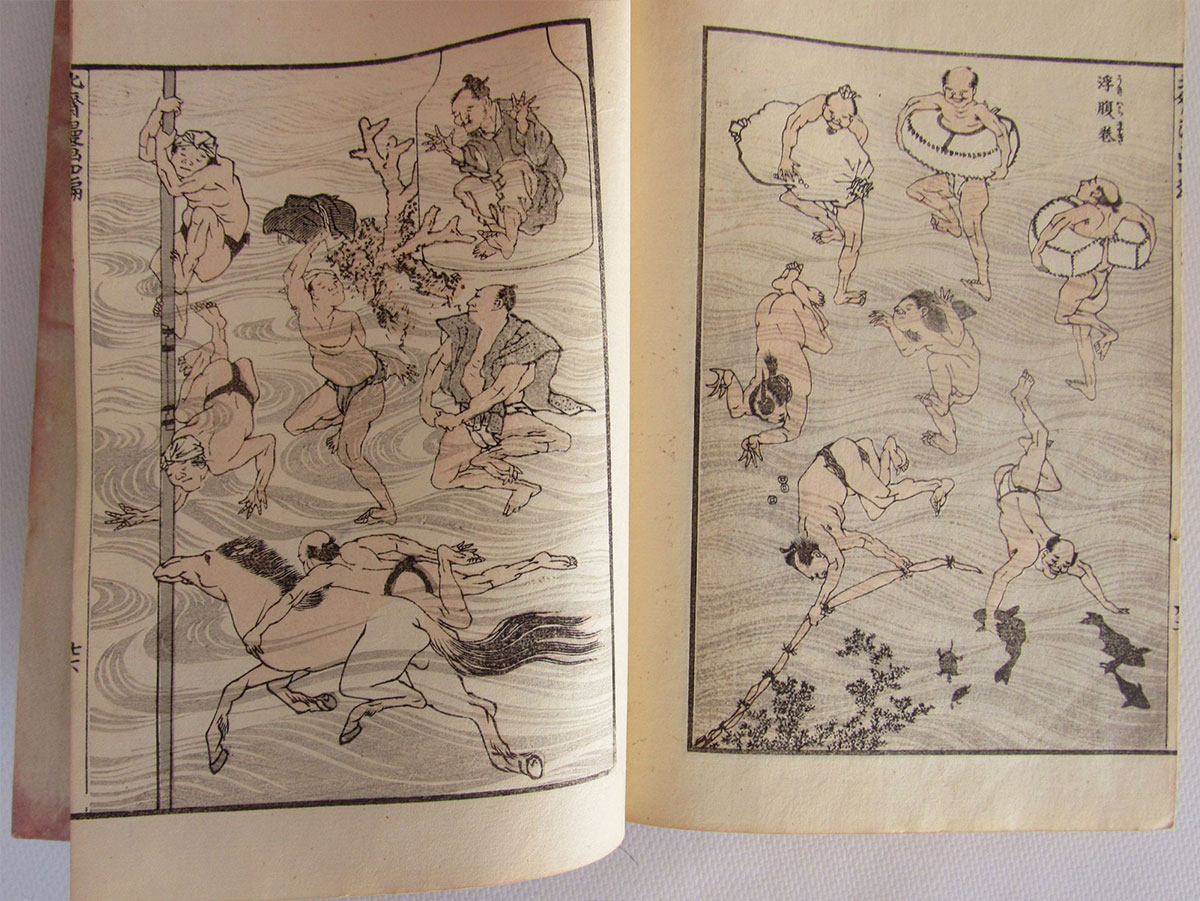
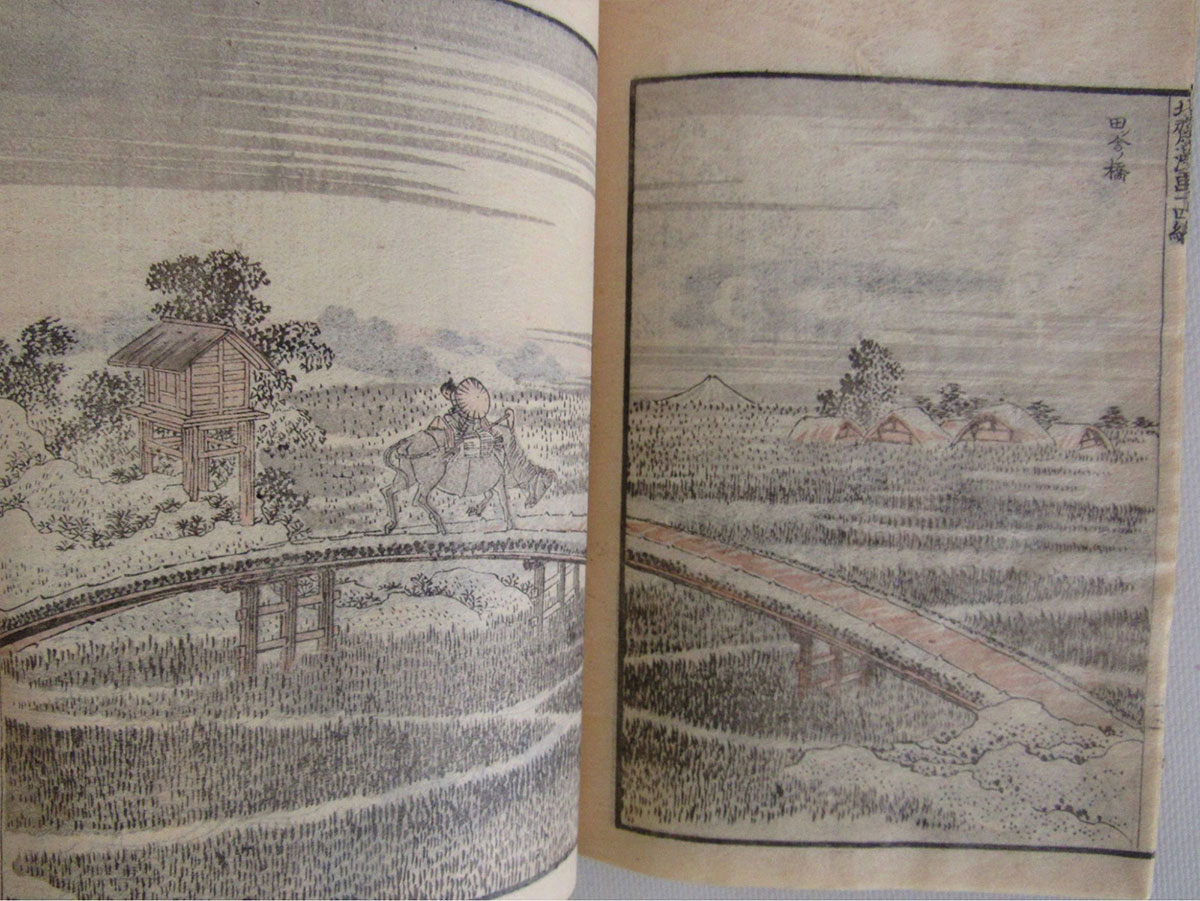
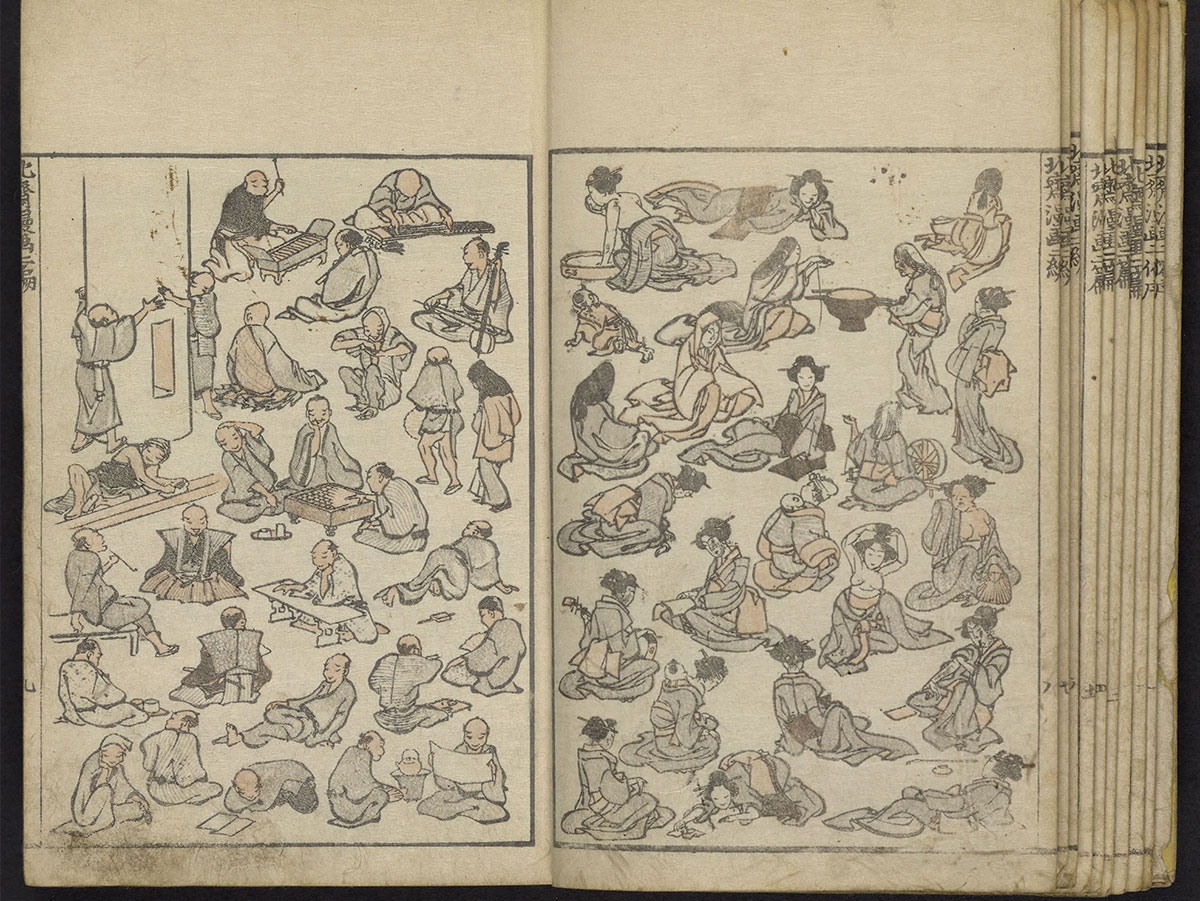
In 1811 at the age of 51, Hokusai changed his name to “Taito” and begun his largest body of work, Hokusai Manga (北斎漫画). This was a 15-volume collection of sketches featuring animals, religious figures, everyday people, objects, landscapes, dragons, the list goes on. They have been compared to Rembrandt and Van Gogh’s work, for “the thrilling panorama they provide both of the world and of Hokusai’s imagination”.
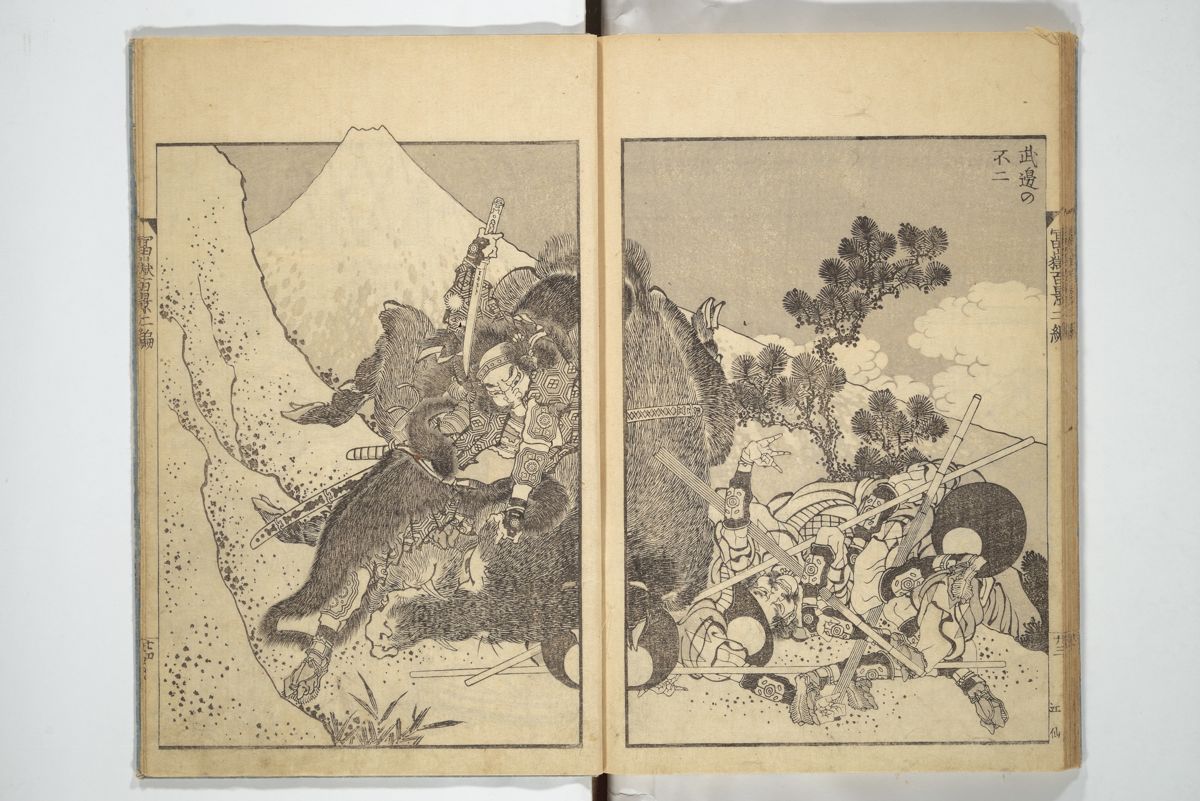
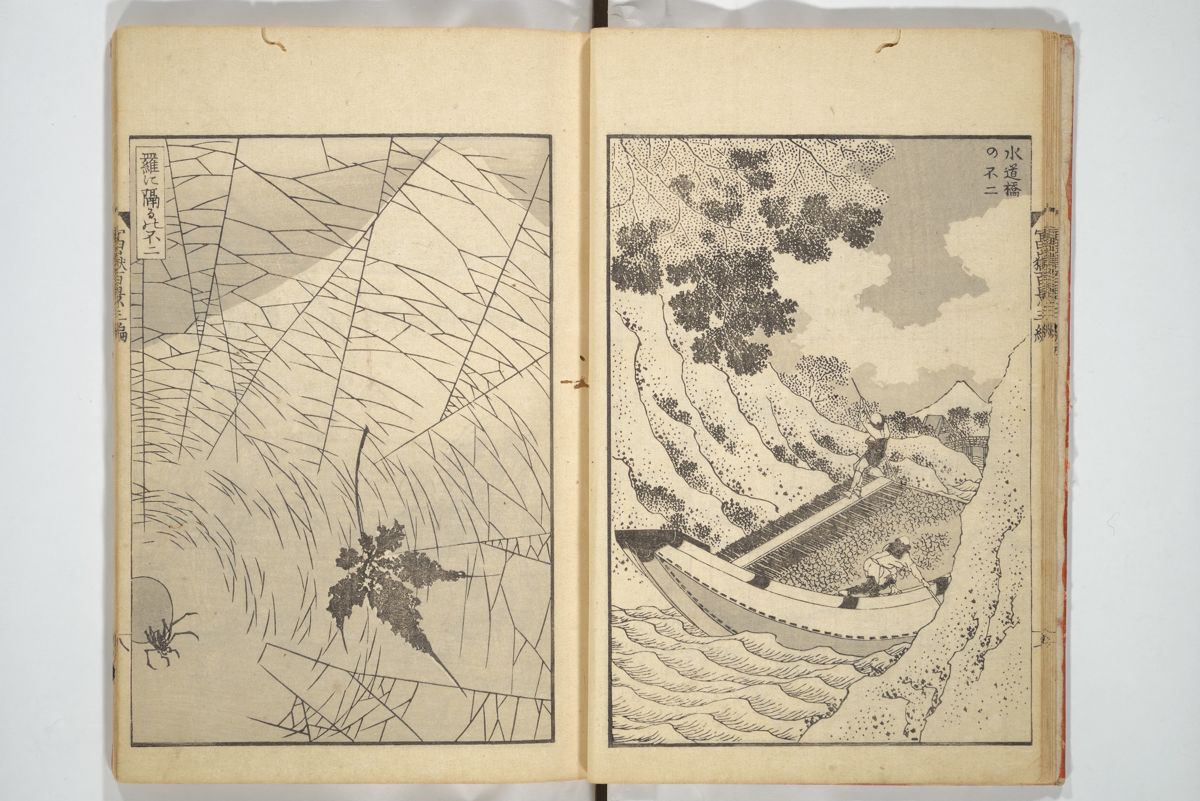
One Again

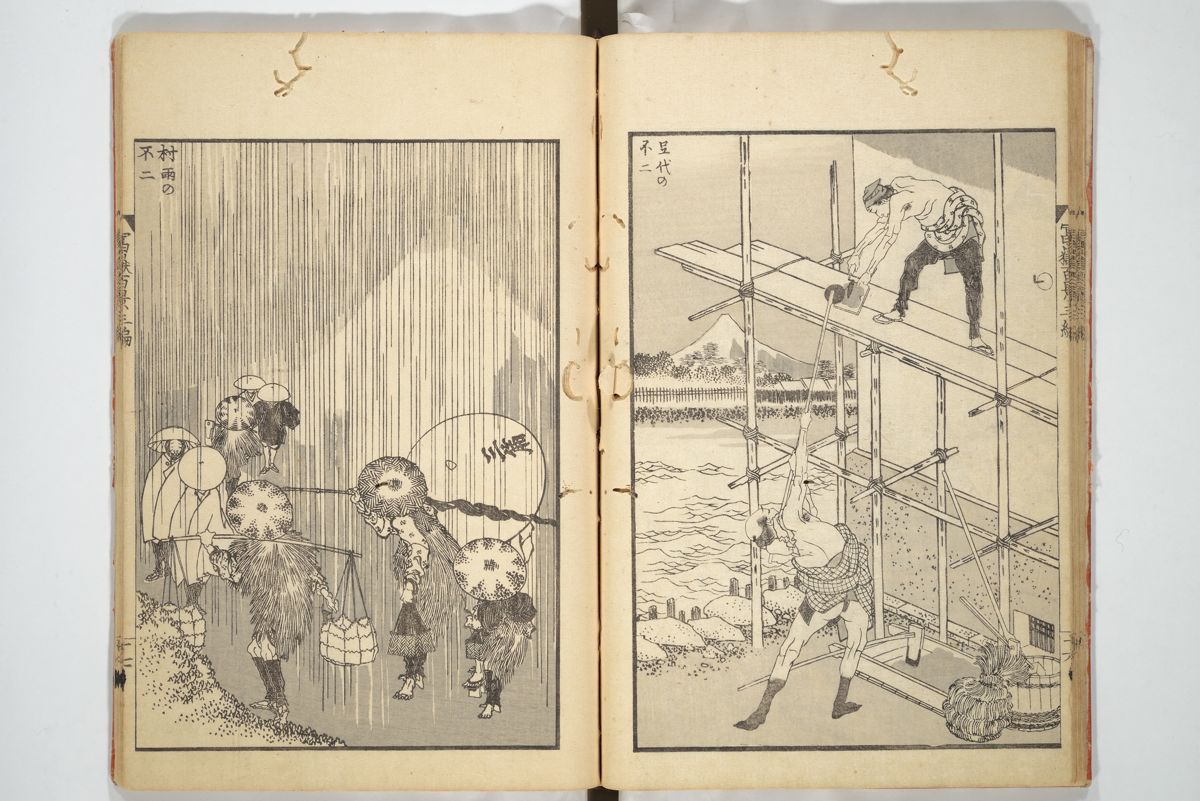
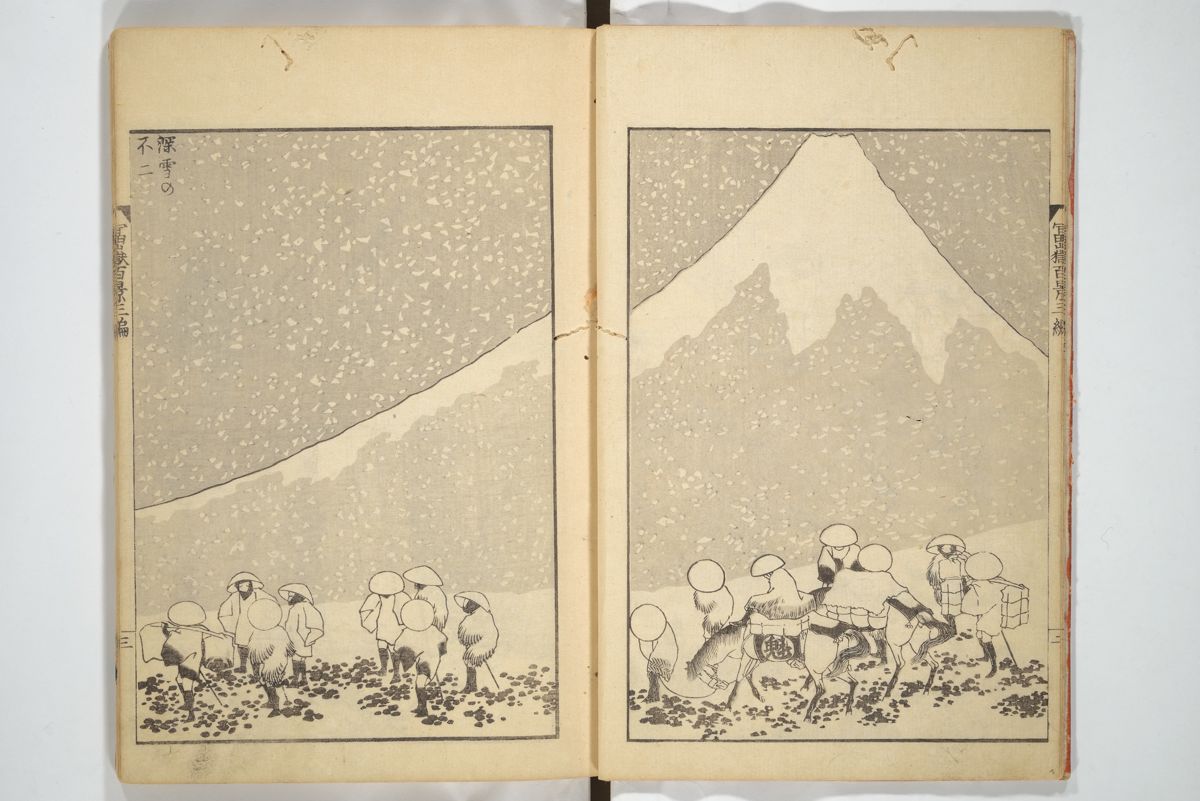
On his sixtieth birthday in 1820, Hokusai changed his name to “Iitsu” meaning “one again”. It was during this period he would make one of his most celebrated print series, Thirty-Six Views of Mount Fuji. Published between 1830 and 1832, this series included the famous Great Wave off Kanagawa. Due to it’s popularity, ten more prints were later added. And then, in 1834 under the new pseudonym “Gakyō Rōjin Manji” (The Old Man Mad About Art) he published One Hundred Views of Mount Fuji (富嶽百景 Fugaku Hyakkei), a work which “is generally considered the masterpiece among his landscape picture books”.
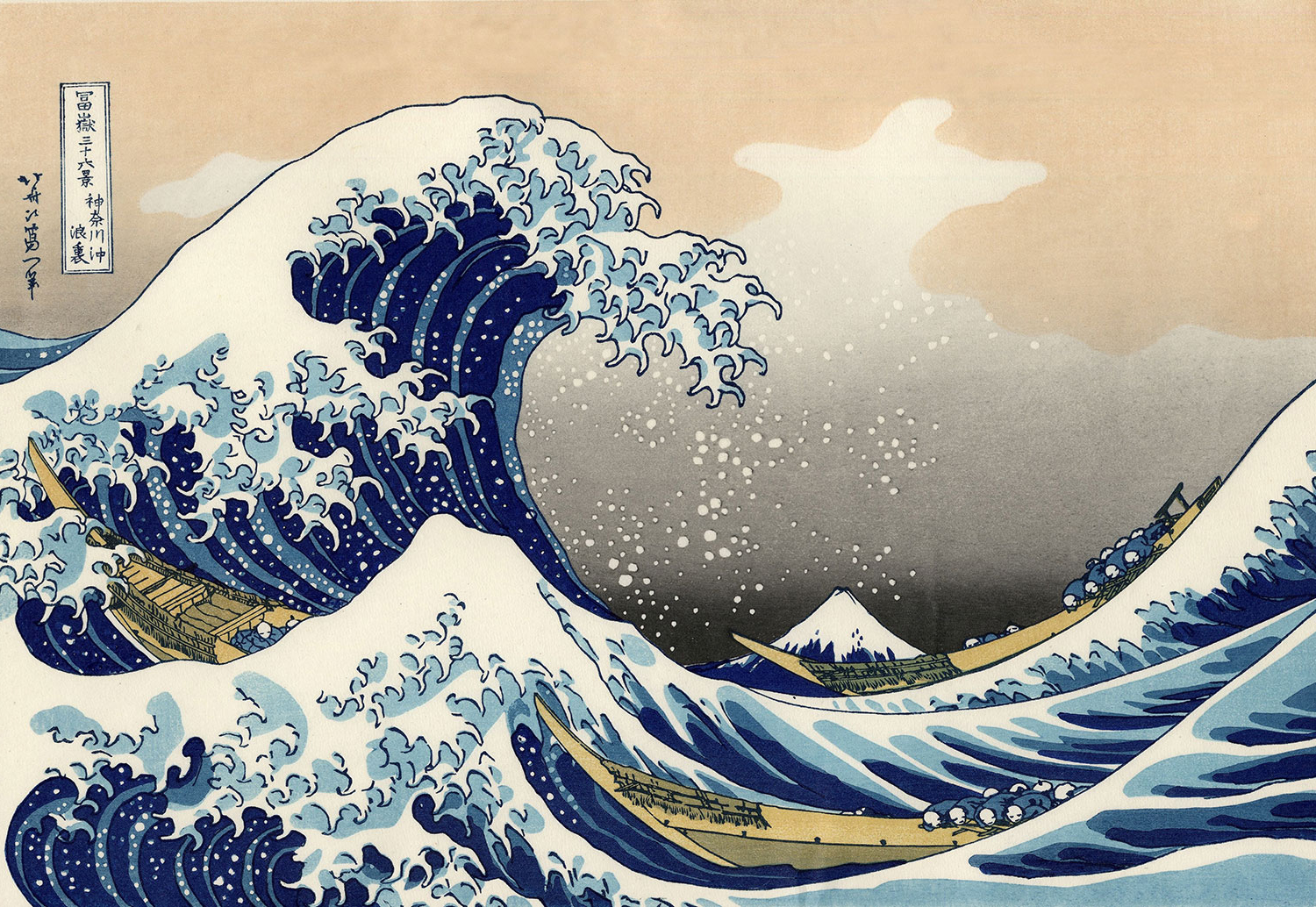
Katsushika Hokusai: The Great Wave off Kanagawa

Among the other popular series of prints he published during this time are A Tour of the Waterfalls of the Provinces and Unusual Views of Celebrated Bridges in the Provinces. He later began producing a number of detailed individual images of flowers and birds, including the extraordinarily detailed Poppies and Flock of Chickens. He died after a short illness in 1849, aged 90.
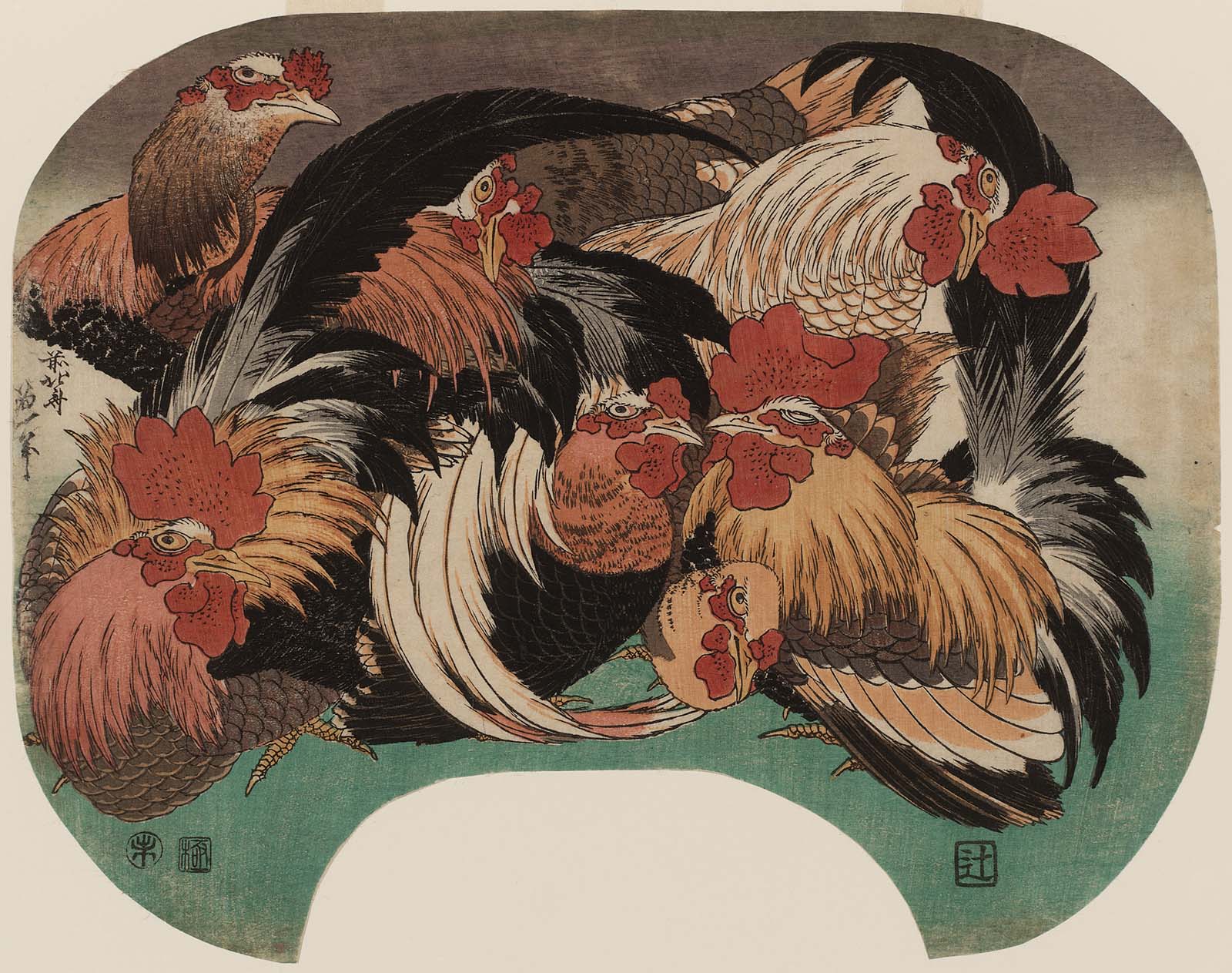
Katsushika Hokusai: Flock of Chickens

From the age of six I had a mania for drawing the shapes of things. When I was 50 I had published a universe of designs. But all I have done before the age of 70 is not worth bothering with. At 75 I’ll have learned something of the pattern of nature, of animals, of plants, of trees, birds, fish and insects. When I am 80 you will see real progress. At 90 I shall have cut my way deeply into the mystery of life itself. At 100, I shall be a marvellous artist. At 110, everything I create; a dot, a line, will jump to life as never before. To all of you who are going to live as long as I do, I promise to keep my word. I am writing this in my old age. I used to call myself Hokusai, but today I sign my self ‘The Old Man Mad About Drawing’.

Katsushika Hokusai

Woodblock printing in Japan

Woodblock printing in Japan (木版画, mokuhanga) was also used for printing books long before the advent of movable type. Woodblock printing had been used in China for centuries but was widely adopted in Japan during the Edo period. Although similar to woodcut in Western printmaking in some regards, the mokuhanga technique uses water-based inks as opposed to oil-based inks primarily used in western woodcuts. The Japanese water-based inks provide a wide range of vivid colors, glazes, and transparency.

I am a huge fan of woodblock prints, especially those by Japanese artists, past and present. Coming from a print background myself, I’ve always admired the results of fine draftsmanship and quality that relief printing can achieve. Woodblock printing involves carving the desired pattern onto a large block, covering that design in ink or dye, and stamping it onto the fabric. I only wish I had the skill and patience that woodblock artists have. As a screen printer however, I am looking forward to screen printing the Soundwave off Kanagawa and seeing the difference between the digital version and a woodblock print.

How Did Hokusai Create The Great Wave?

Soundwave off Kanagawa

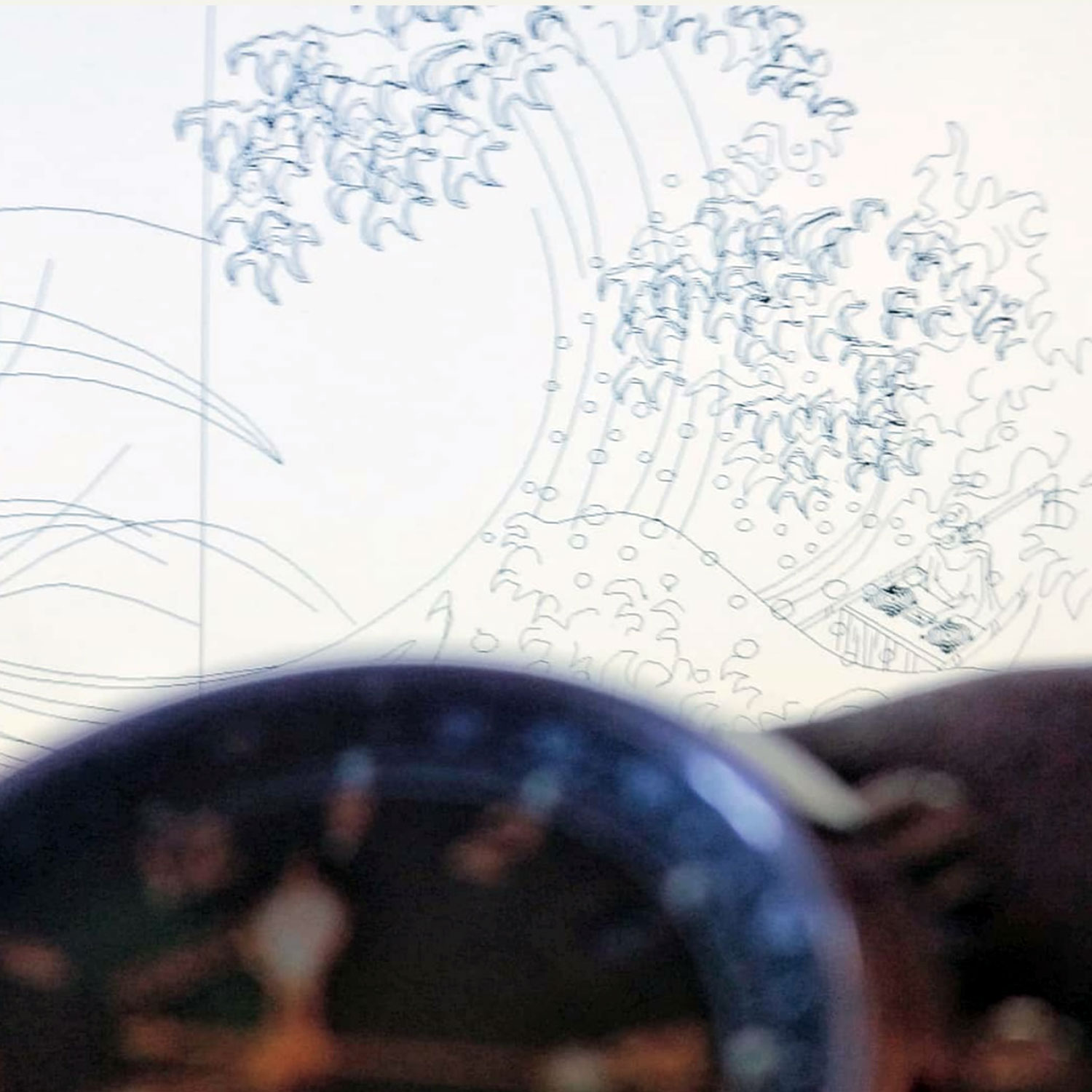
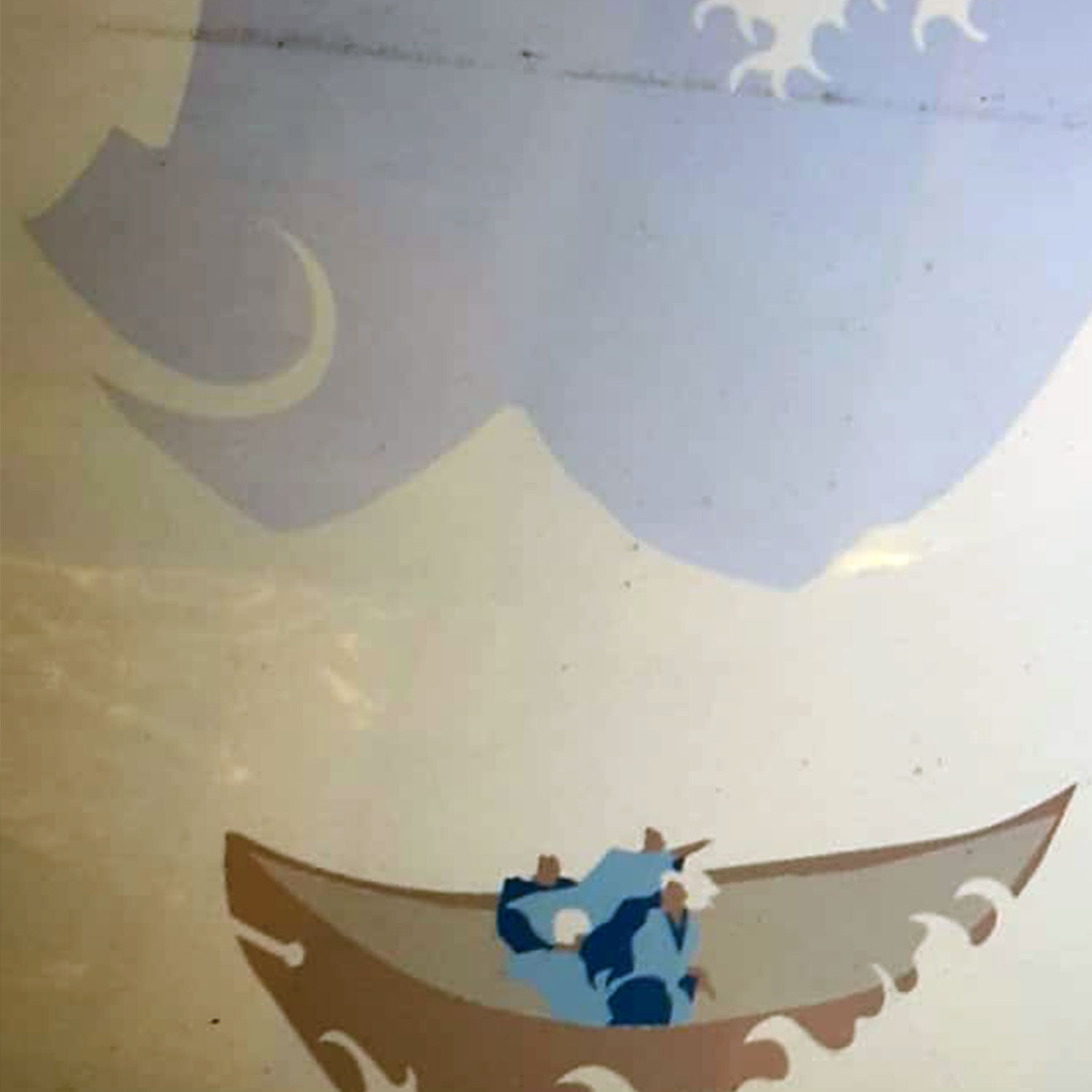
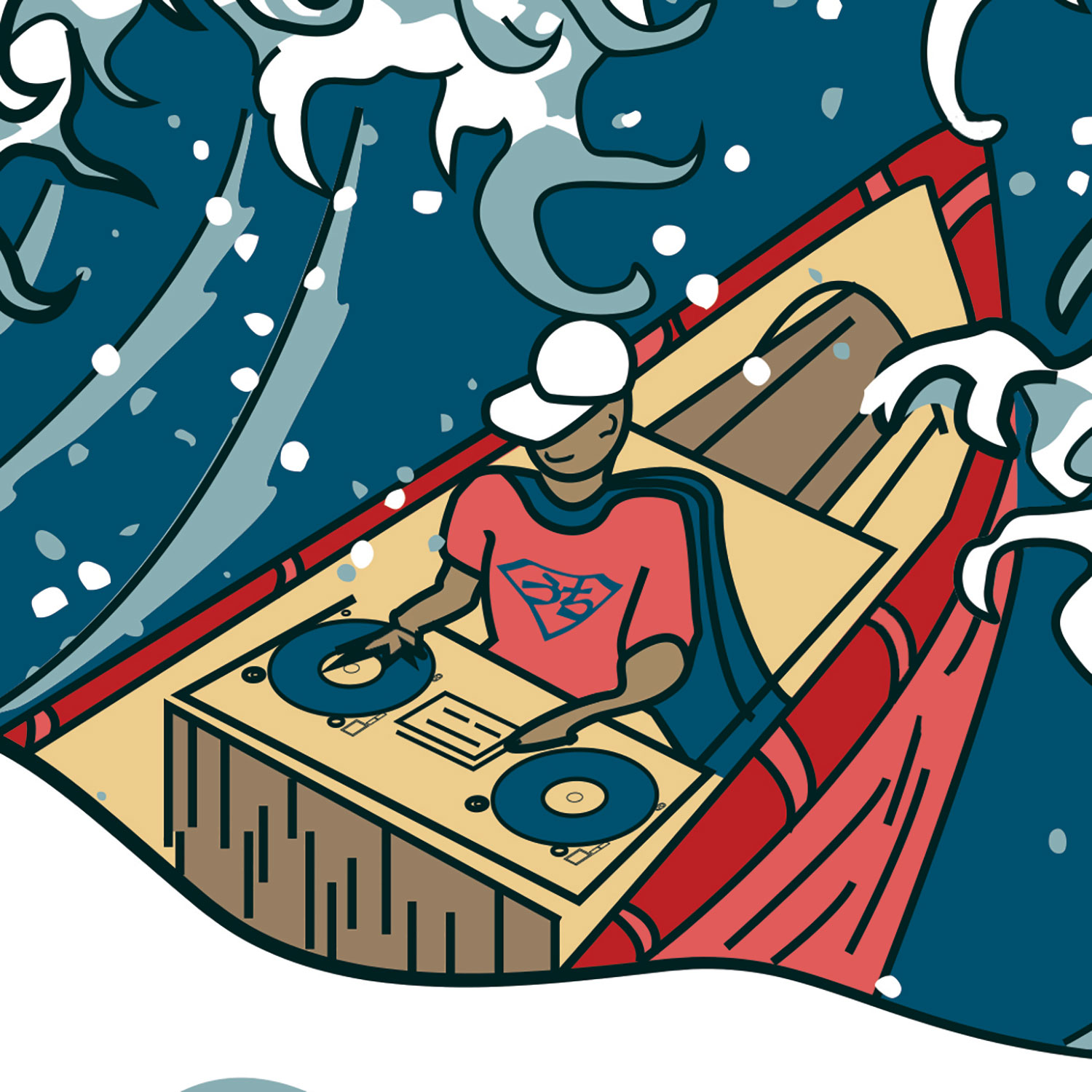
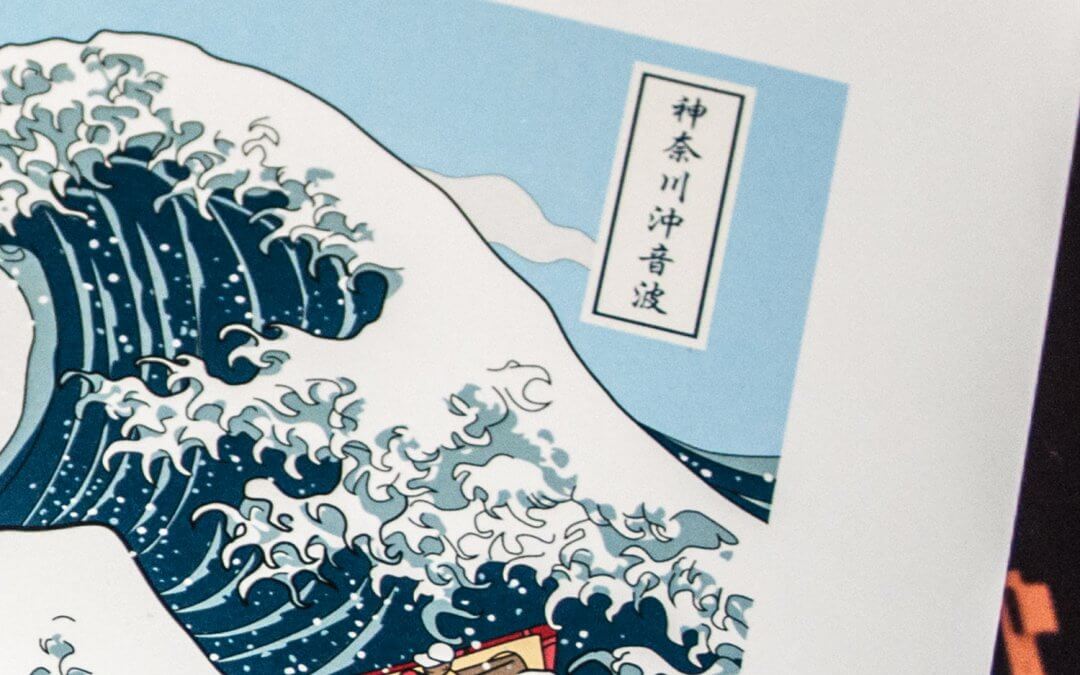
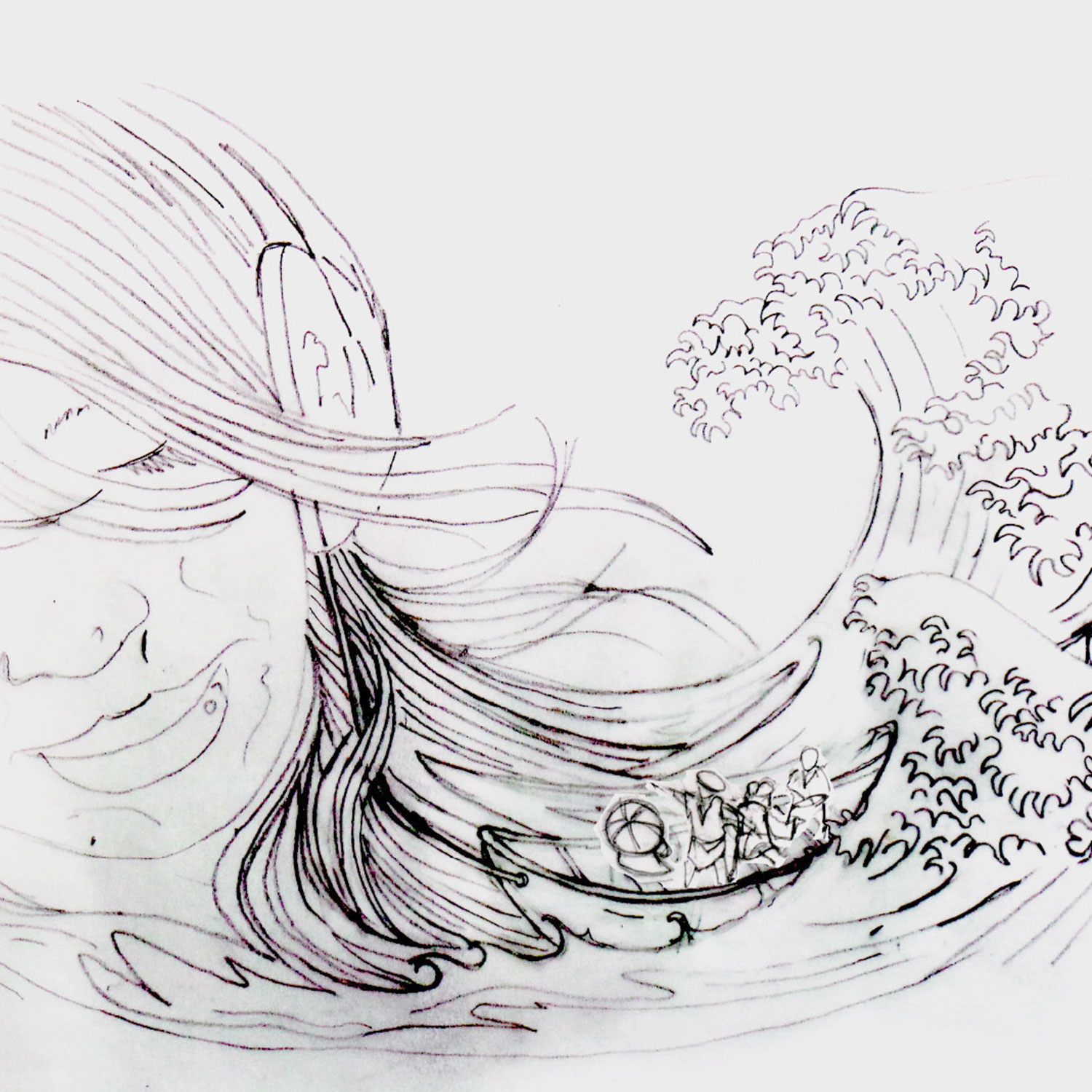
This latest uchi art print, entitled ‘Soundwave off Kanagawa‘ (神奈川沖音波) features a redrawn Hokusai Wave with Mount Fuji in the background. The drama unfolding in the sea has been changed form the original. Instead of three “fast boats” in the sea there is one boat with a deejay at the helm. The people in the boat are based on figures depicted in the ukiyo-e print “Tea house at Koishikawa. The morning after a snowfall” (礫川雪の旦).

I like the idea of a synergy between all the different elements and how they could be affecting each other. How the waves might be responding to the sound from the boat. Are the people in the boat responding to what the deejay is playing or the approaching wave? And, on a science geek tip, I also like the idea of symbolizing sound waves (longitudinal waves) and sea waves (transverse waves).
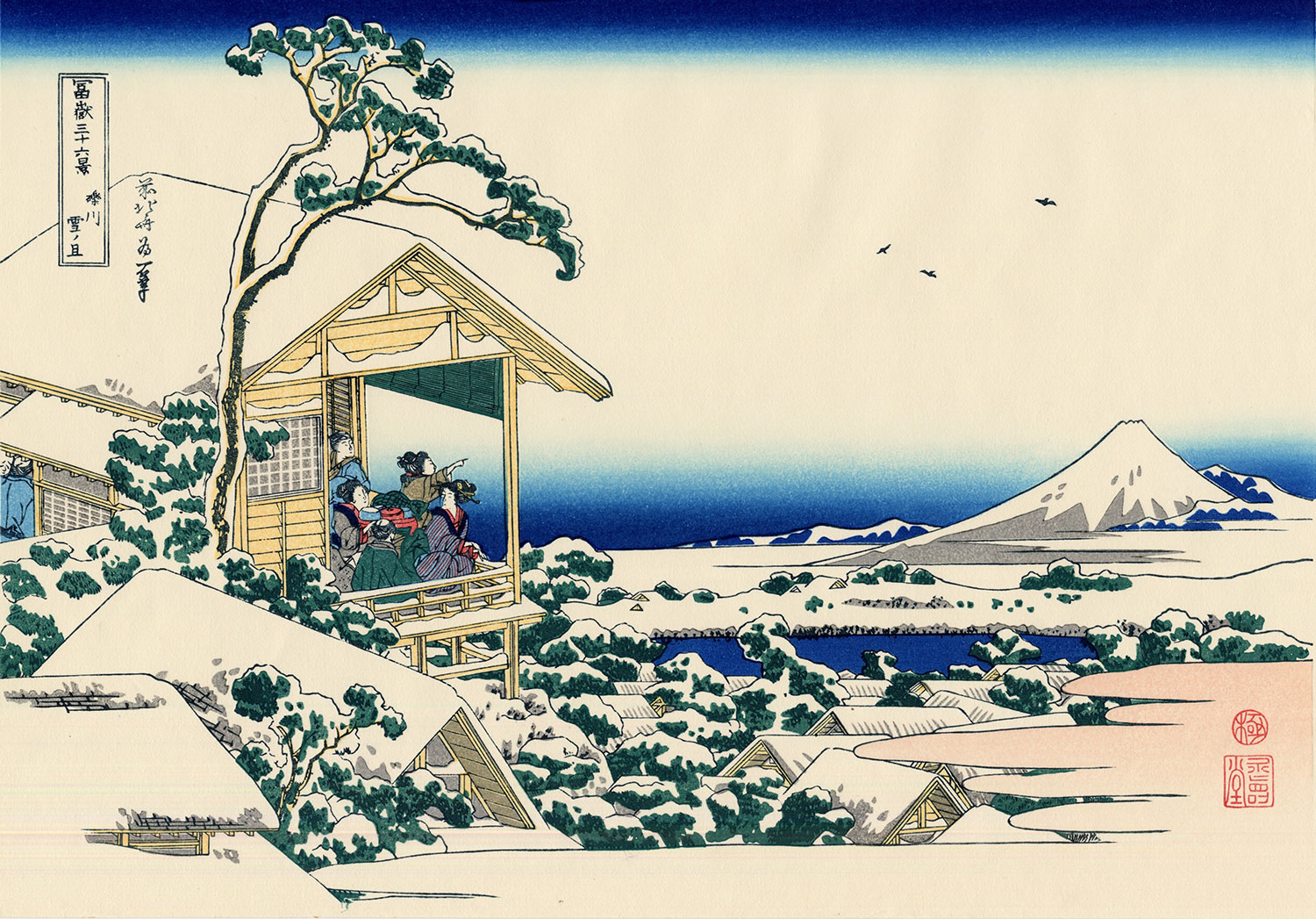
Tea house at Koishikawa. The morning after a snowfall

Protect Ya Neck Large Format Canvas

Protect Ya Neck Large Format Canvas

Protect Ya Neck Large Format Canvas Pop Art Prints

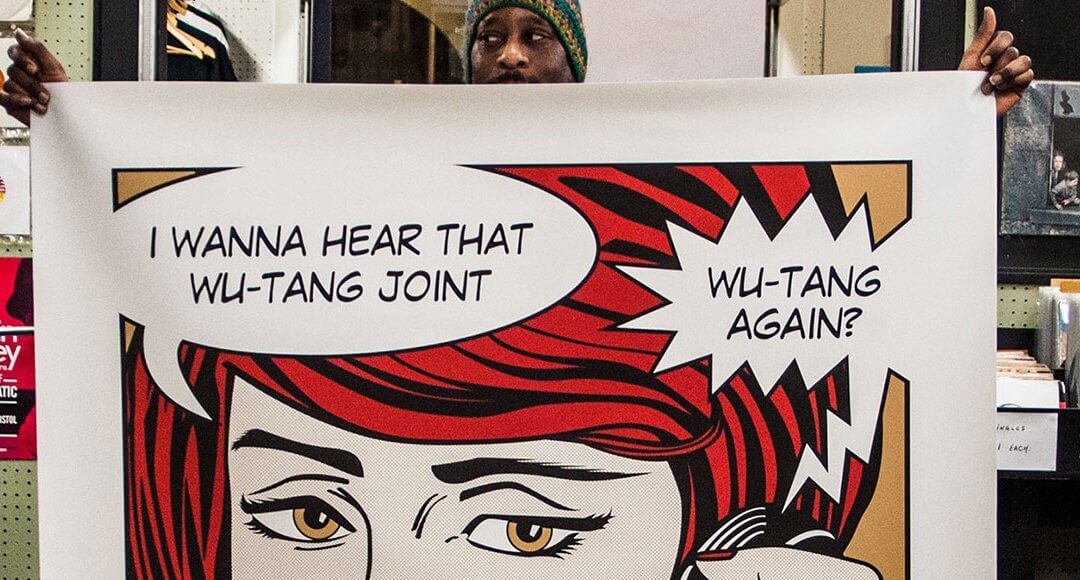
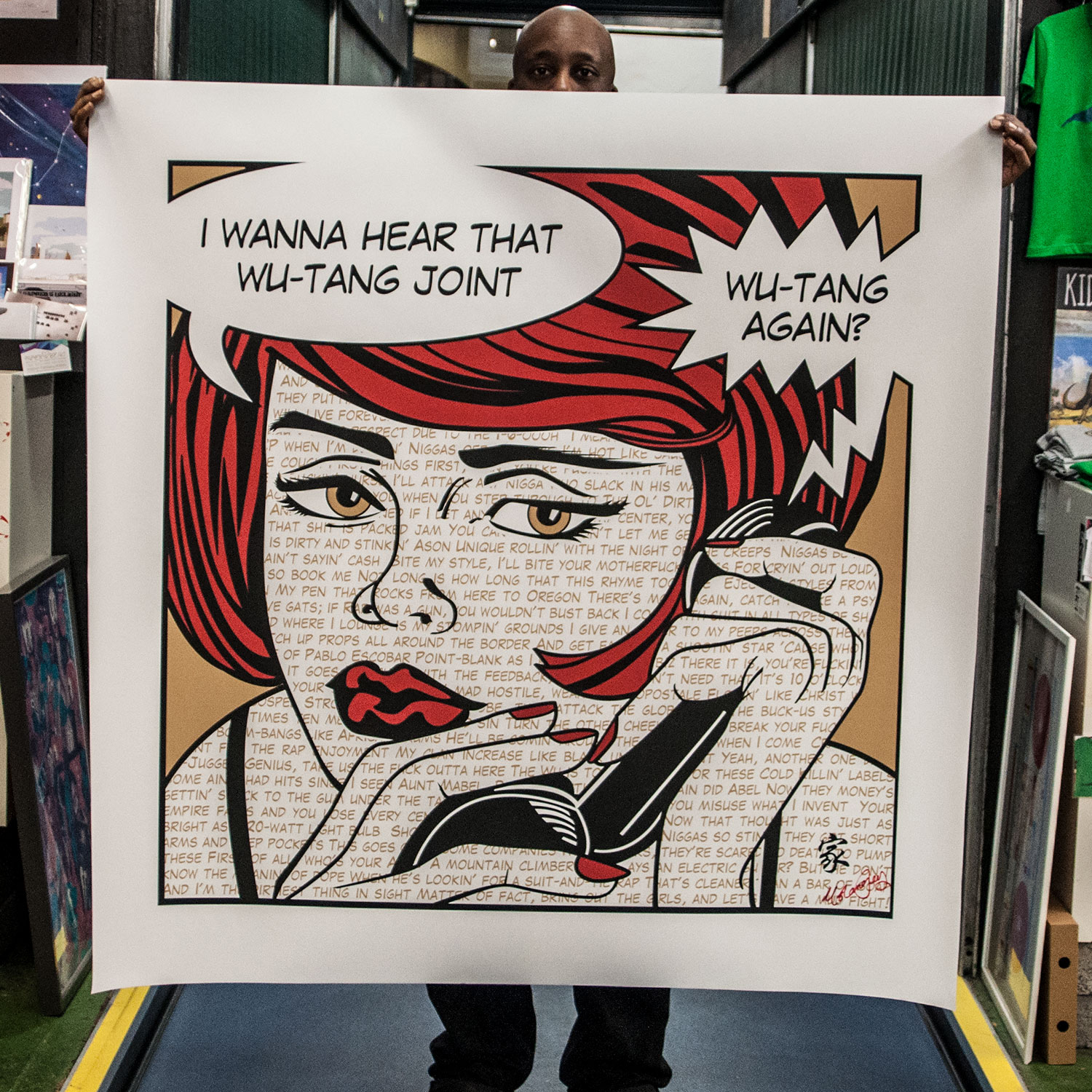
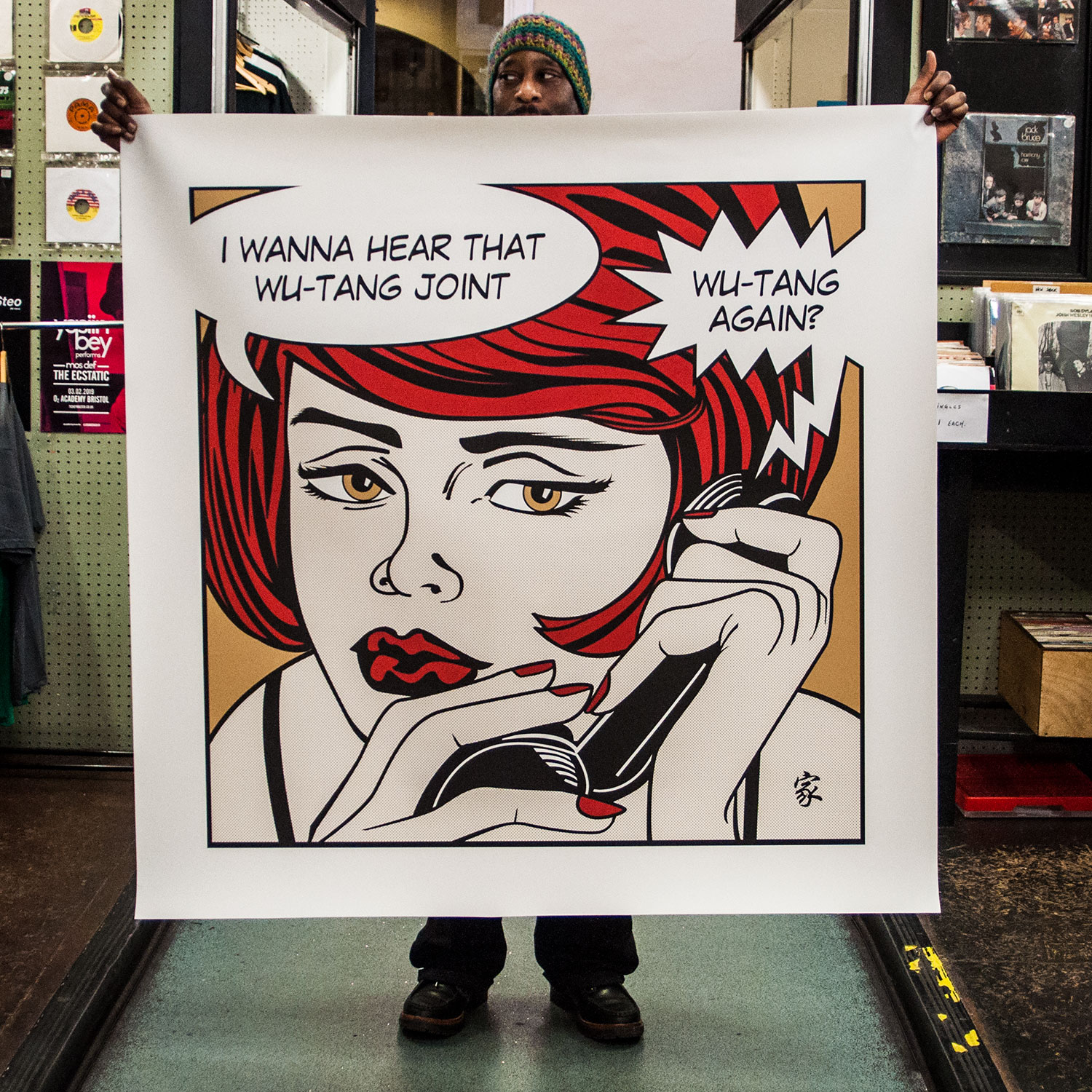
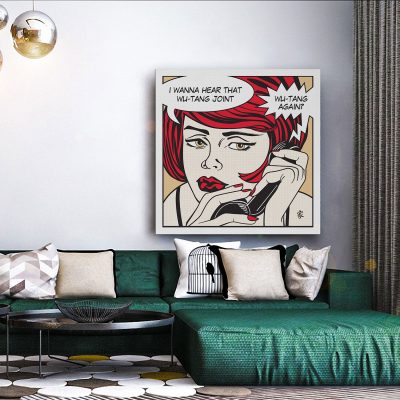
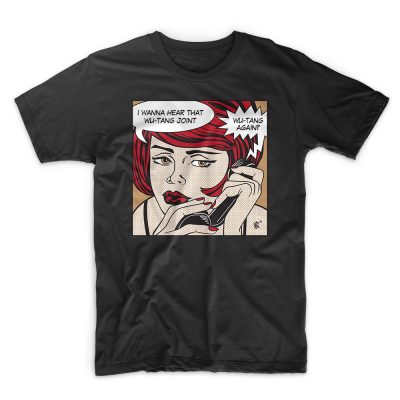
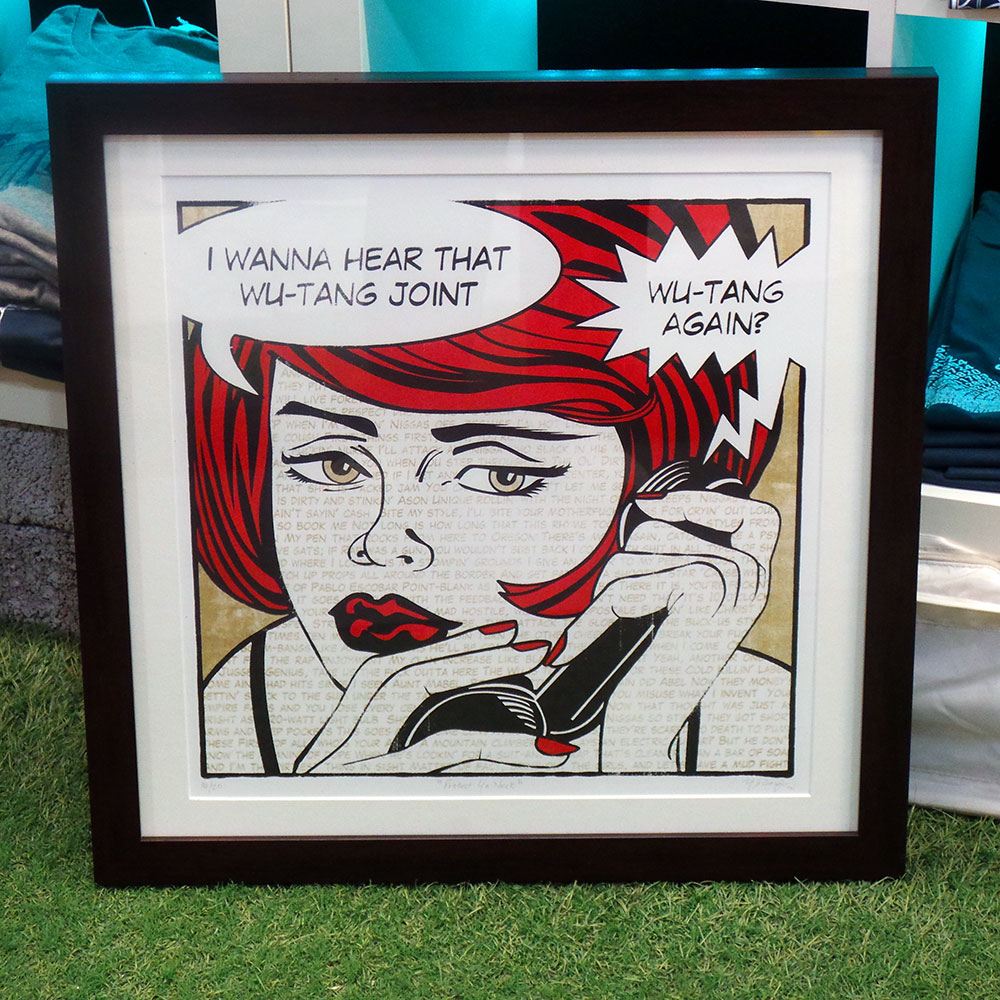
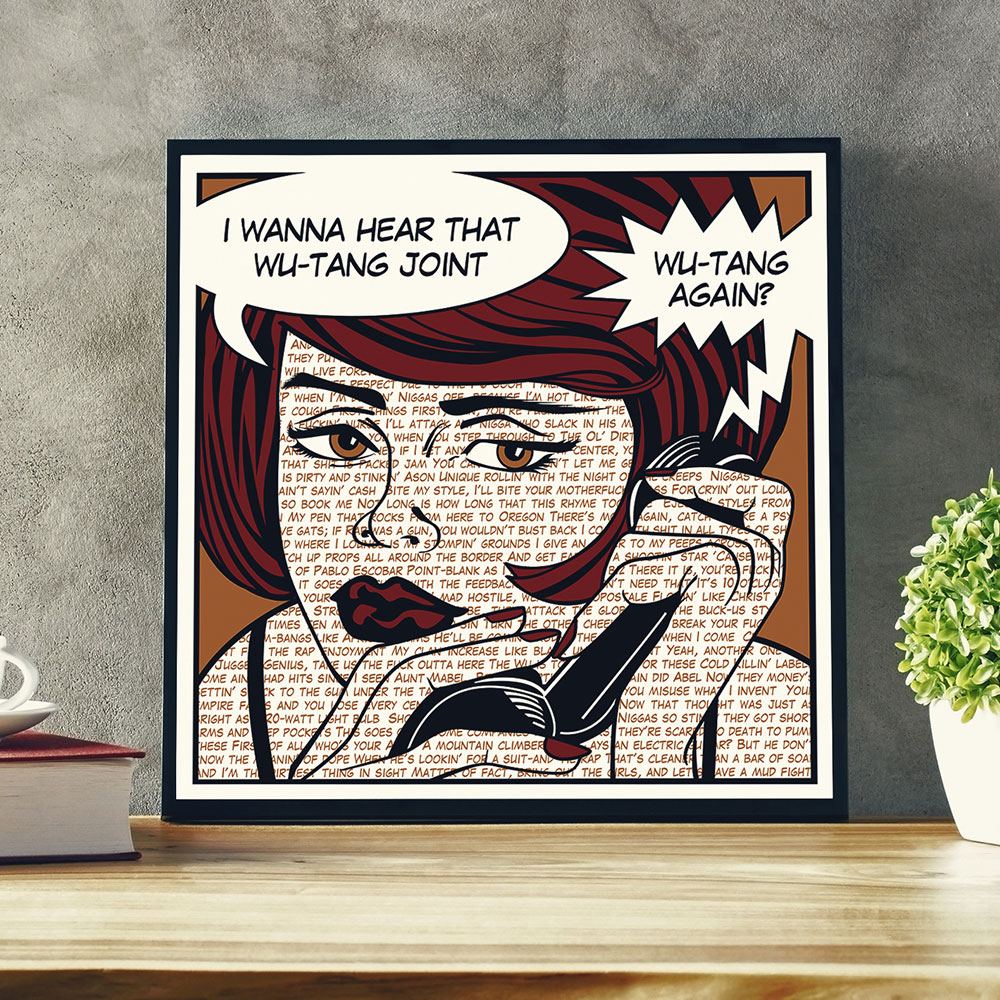
By popular demand the Protect Ya Neck screen print has been requested, not only for T shirts but now on a 48 x 48 inch canvas. We thought this wasn’t going to be easy but we managed to pull it off. We are really pleased with how these look and the quality of the canvases are great.

Protect Ya Neck - lyrics - large format canvas

Protect Ya Neck large canvas

Track 58

A high quality, signed canvas print using solvent free inks.

Art Print dimensions:
Maximum canvas size 50 x 50 inch (1270mm x 1270mm)
Image size is 48 x 48 inches (1220mm x 1220mm)

Custom sizes available. Please get in touch if you’d like to see this canvas in a different size.

Protect Ya Neck - dots - large format canvas

Read the full Pop Art meets Wu-Tang Clan story

Protect Ya Neck Limited Edition Pop Art Prints

Protect Ya Neck Limited Edition Pop Art Prints

Protect Ya Neck

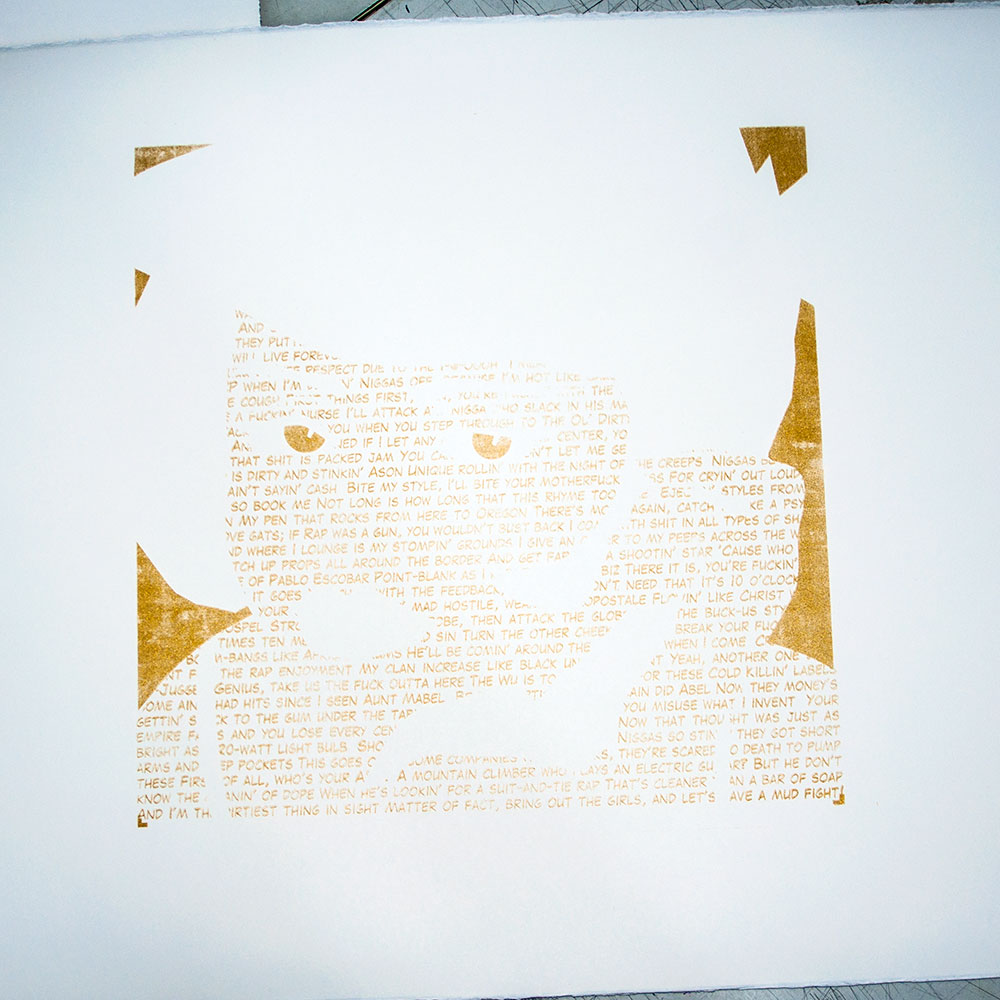
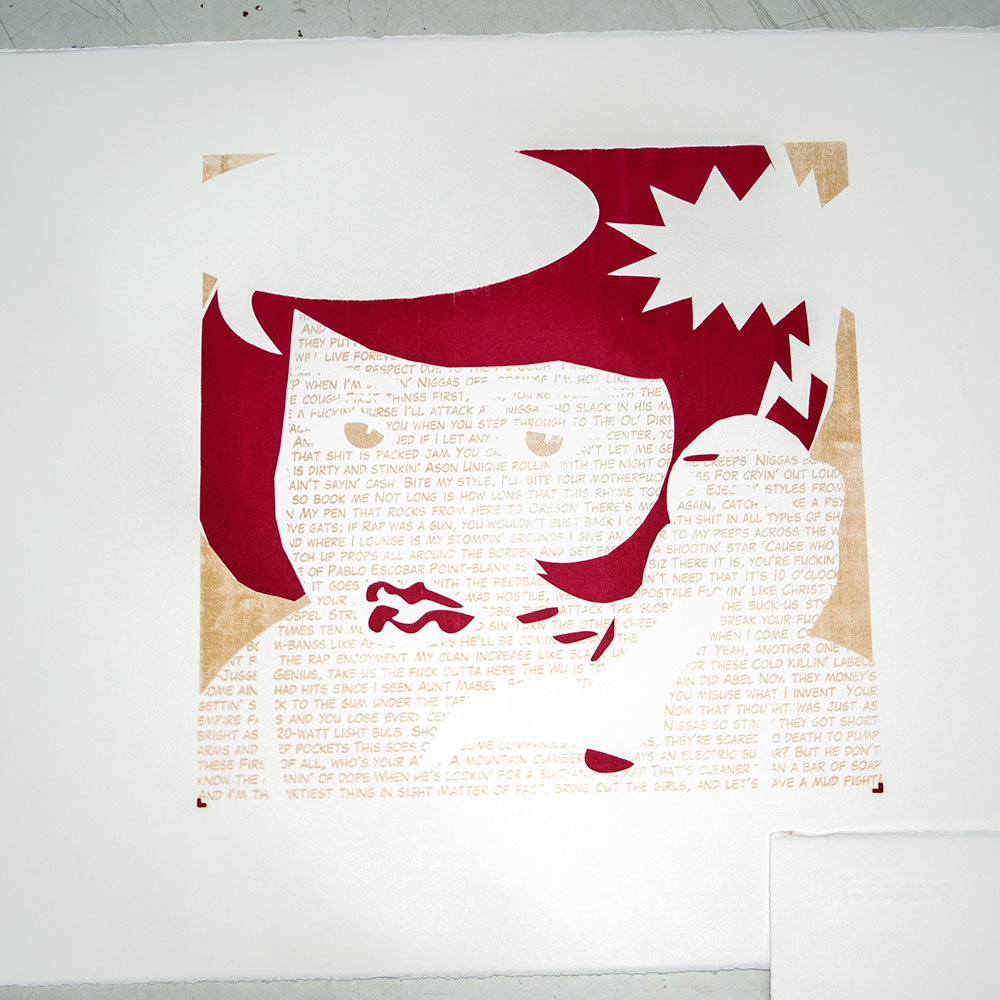
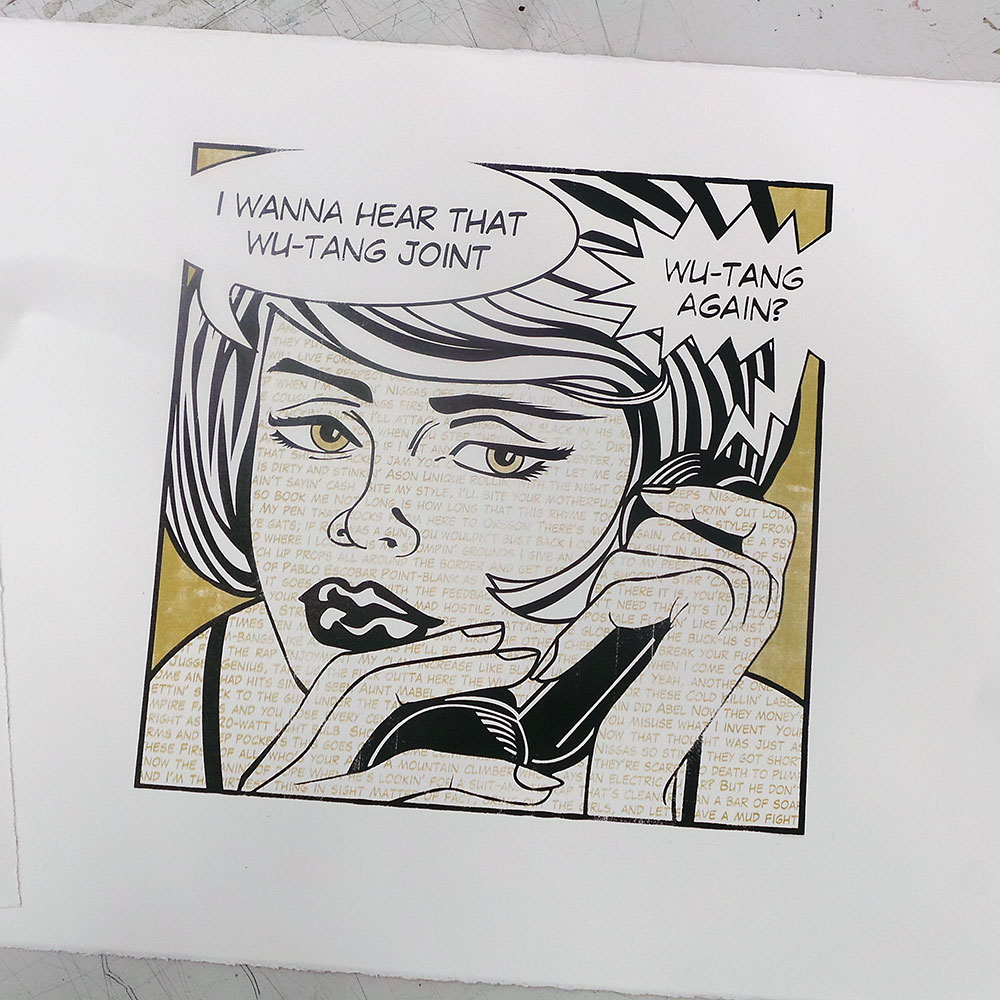
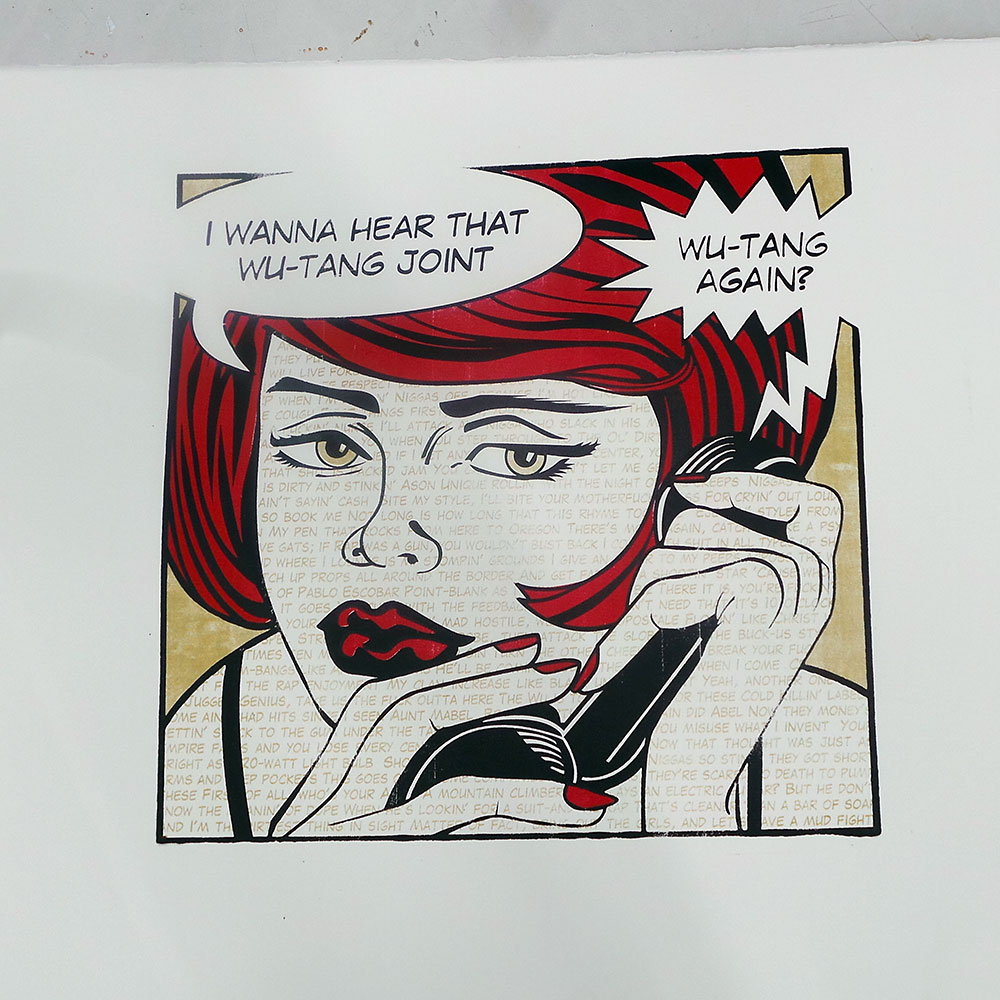
Pop Art inspired Wu-Tang editioned art prints

Track 58

Protect Ya Neck

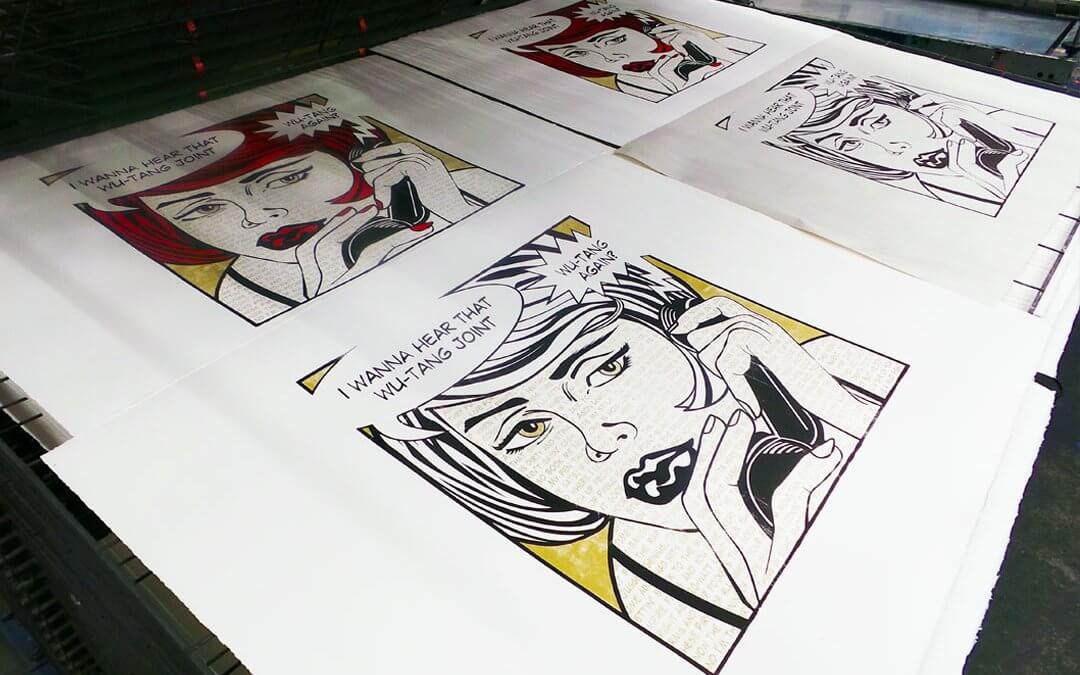
20 Limited Edition Screen Prints

(16 three colour prints and 4 two colour prints).
Printed on 300gsm Somerset Satin acid free paper. Print size 42 x 42cm.

Signed and numbered by the artist.

Also available as fine art paper prints and T shirts


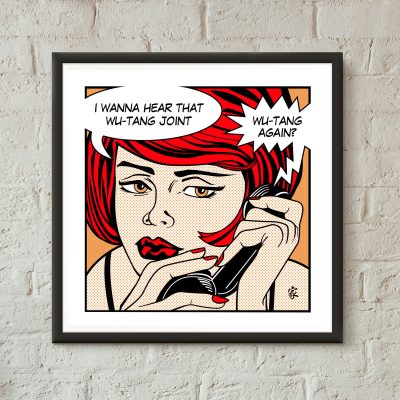
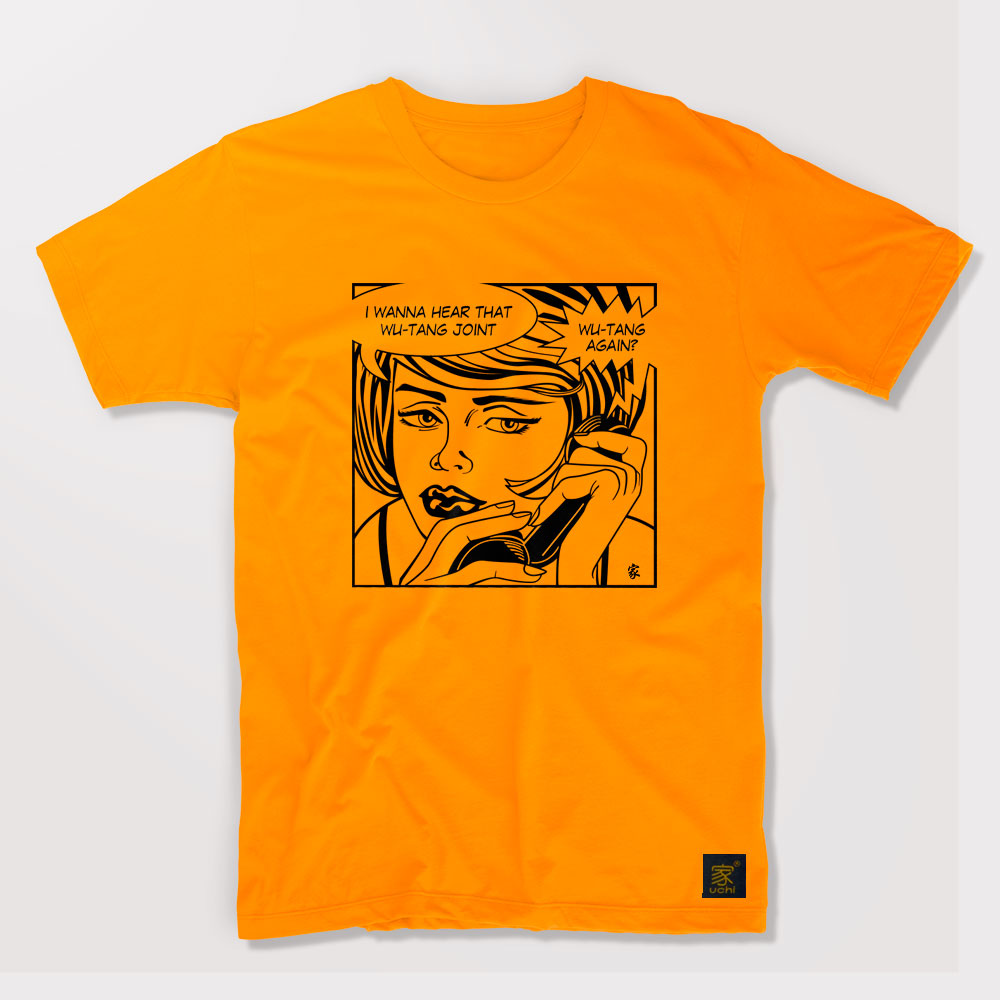
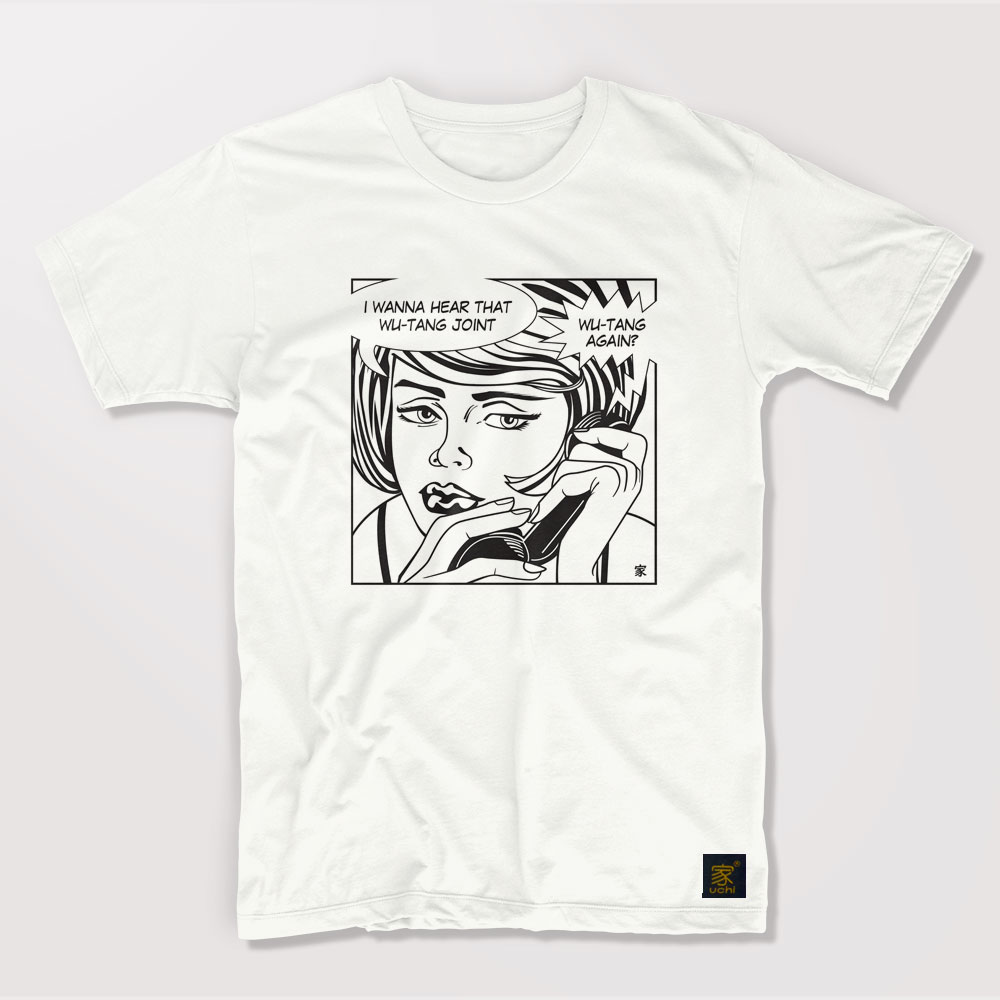
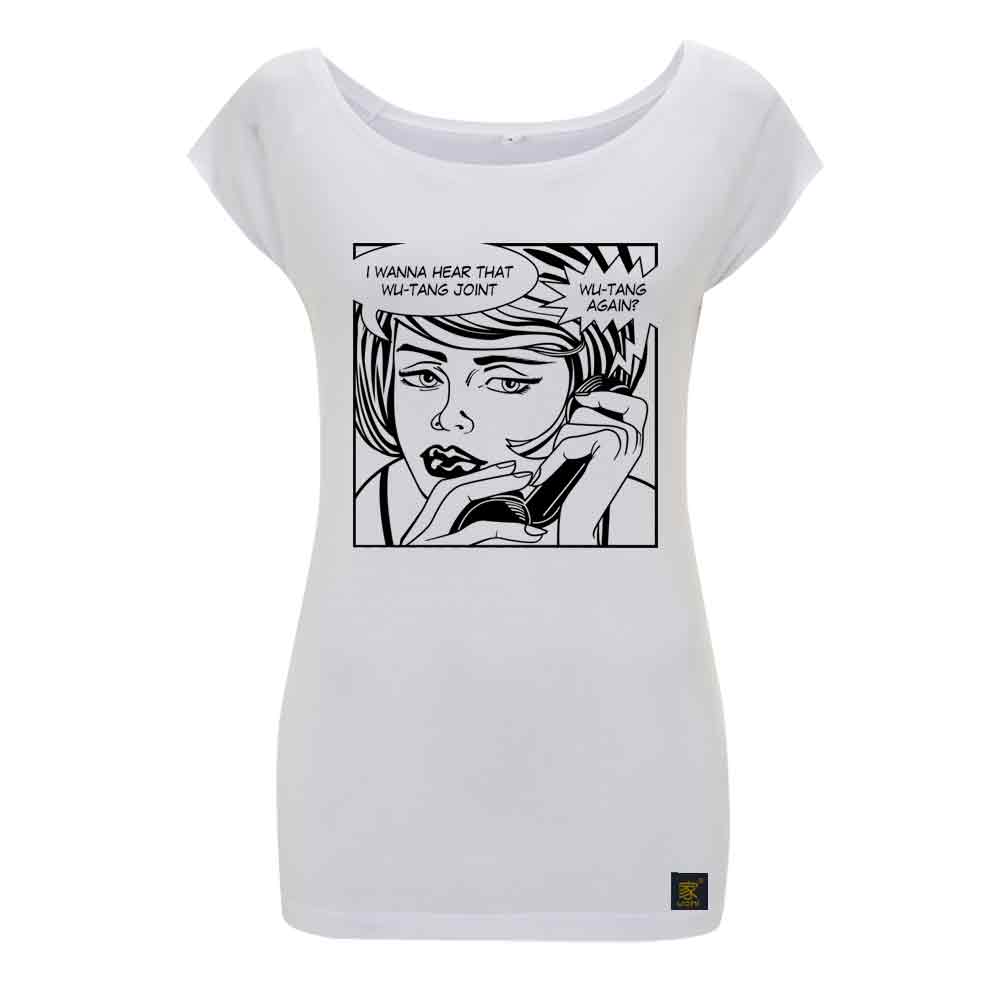
Ohhh…Alright… Another Pop Art parady, then?

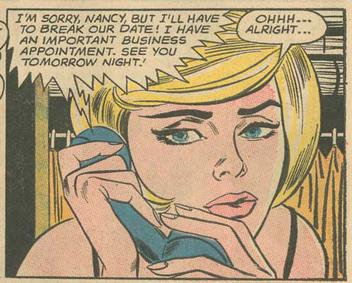
Secret Hearts #88 by Arleigh Publishing Corp

During the 1960s, Roy Fox Lichtenstein, along with Andy Warhol, Jasper Johns, David Hockney and Peter Blake and others, became leading figures in the new postmodernist Pop Art movement. Drawing inspiration from mass media, advertising and commercial imagery, their work defined the premise of pop art through parody and critique.  One of his most famous paintings Whaam! is currently on permanent display at Tate Modern.

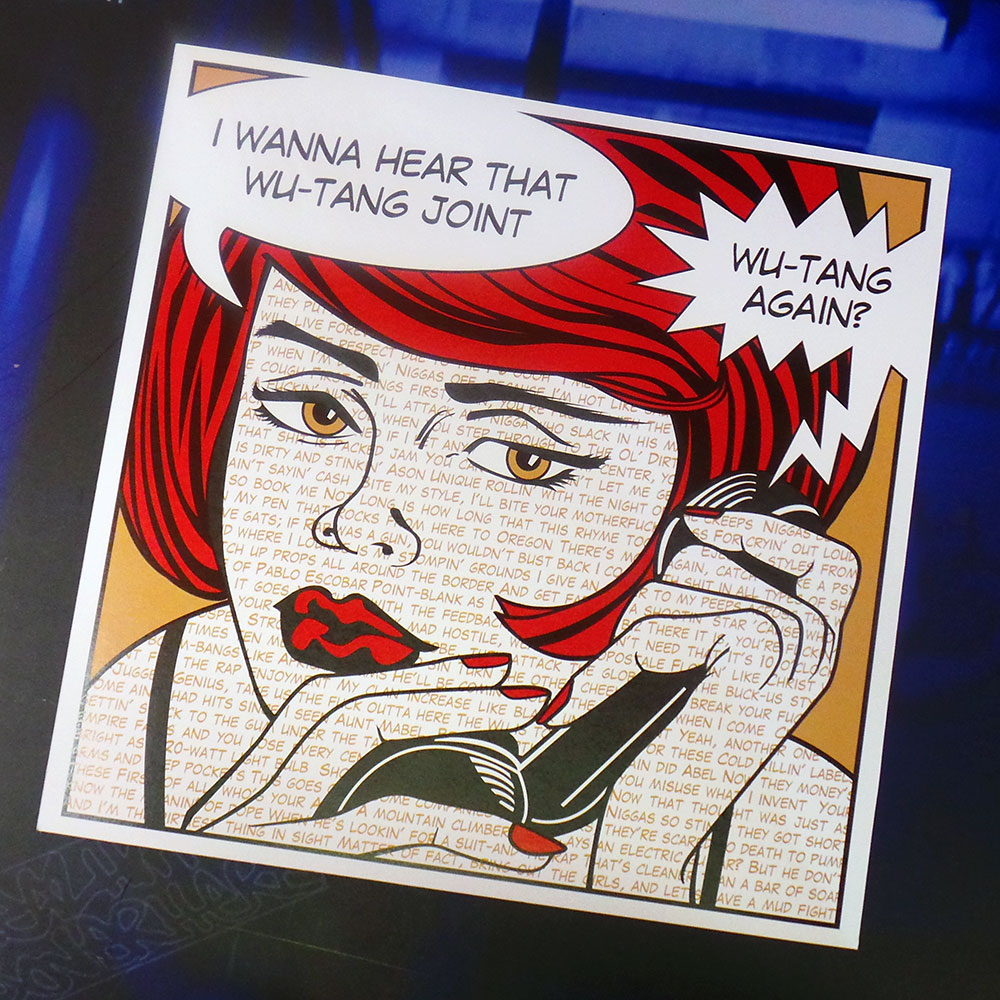
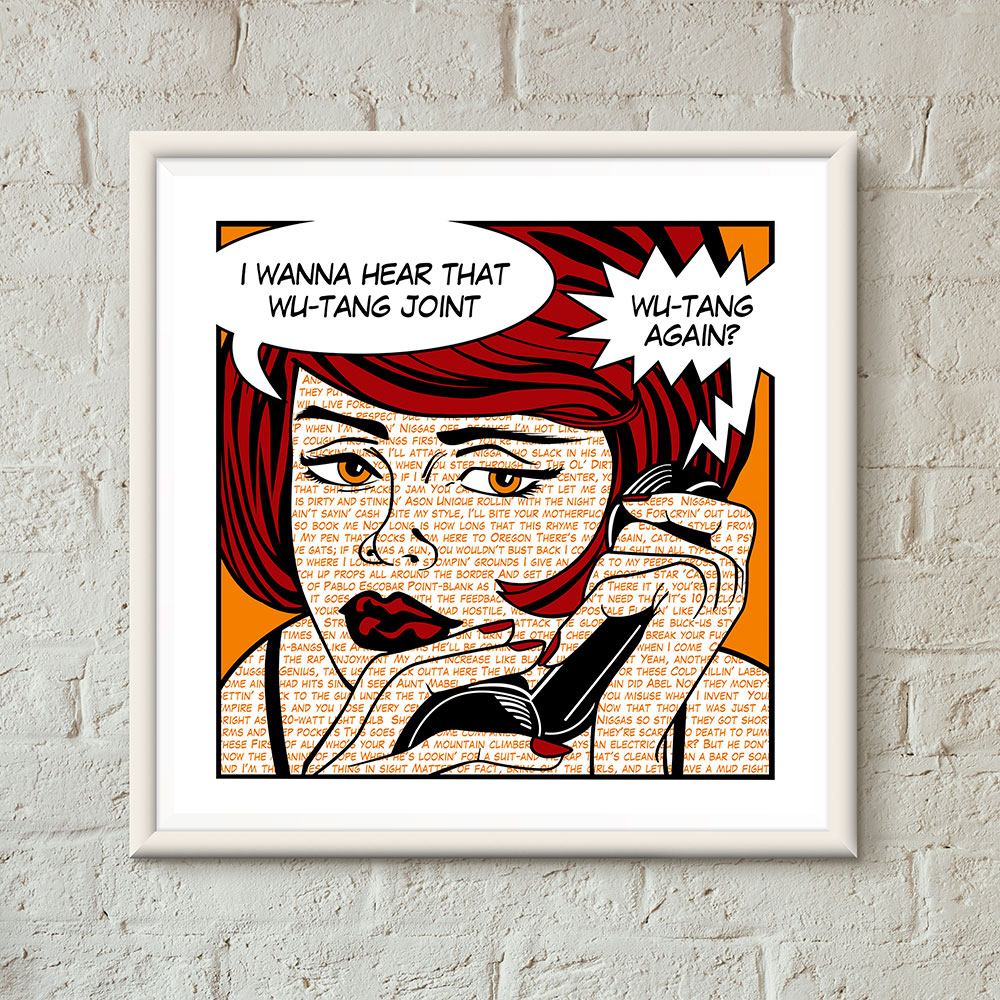
This particular piece is a parody of Roy Lichenstens’ “Oohh Alright” painting. However as I am a bigger fan of comic books,  Lichtenstein’s  original inspiration, the June 1963 edition of Secret Hearts #88 was the reference for this image.

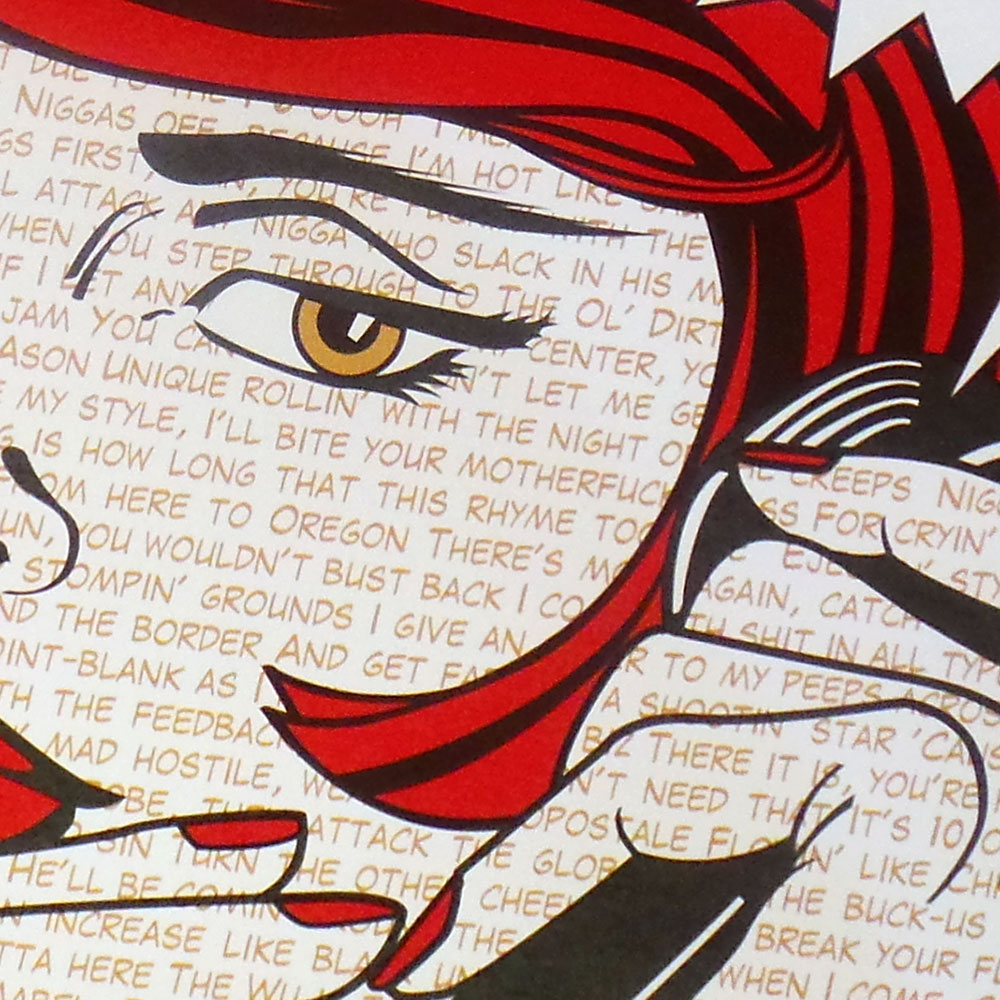
Protect Ya Neck 2 colour screen print type detail

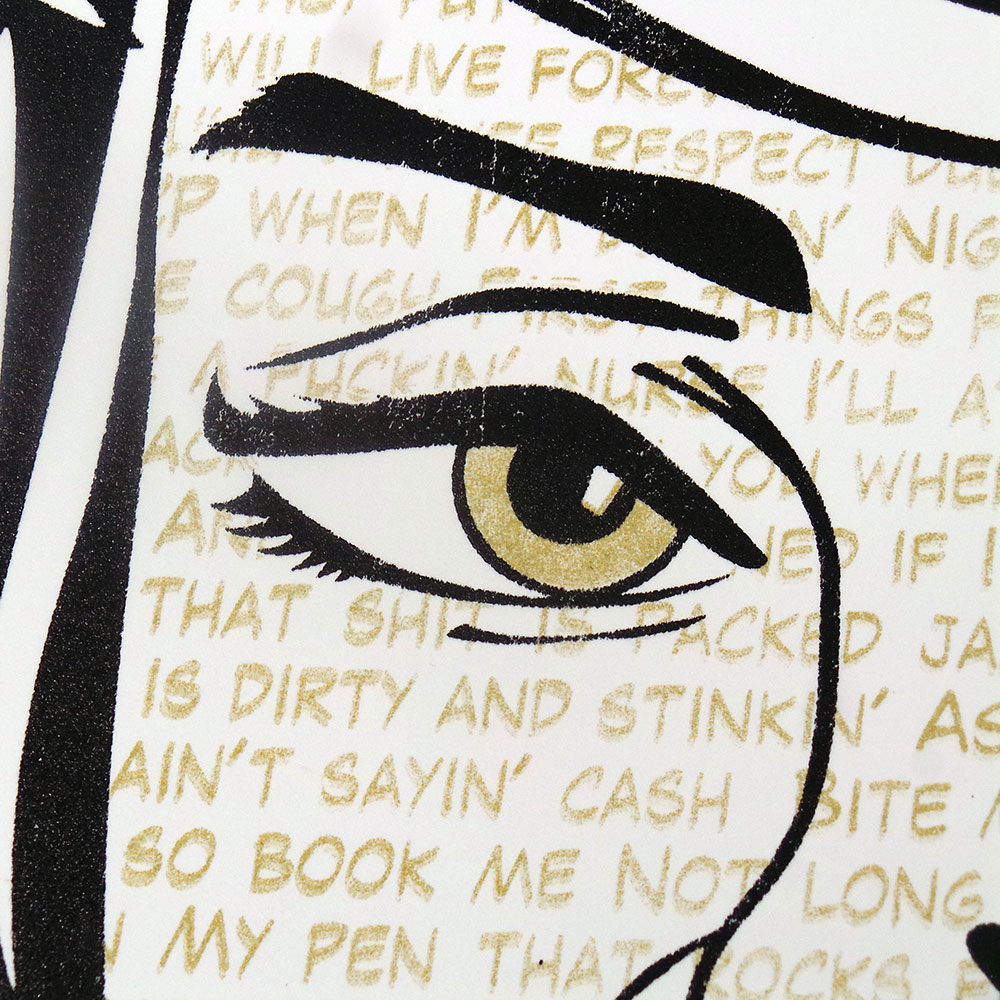
Because I also love typography and print and to add that extra twist, the traditional Ben-Day dots, used for the mass printing of comic books and mimicked in paint on “Ooh Alright”, have been replaced with the “Protect Ya Neck” song lyrics.

You best protect ya neck

Protect Ya Neck” is the first official single from Wu Tang Clan’s critically acclaimed first album Enter the Wu-Tang (36 Chambers). Produced by The RZA, it features eight of the original nine group members.
In 1993, when the Wu-Tang Clan first emerged, Hip Hop as a whole was not considered Pop culture. The Wu-Tang Clan’s distinctly New York underground sound was far too ‘radio unfriendly’ to be commercially mainstream, at least not by today’s standard. At that time, production values were giving Hip Hop a more polished sound that appealed to a broader audience. In contrast the Wu-Tangs’ stripped back sound, choppy samples and rhyme flows didn’t allow for formulaic radio play and was definitely underground.

Despite this, the Wu-Tang Clan helped pave the way for a ‘back-to-basics Hip Hop’ wave of new artists and crews. Their first album Enter the Wu-Tang (36 Chambers) sold 30,000 copies in the 1st week, achieved Platinum status within two years and is widely regarded as one of the most influential Hip Hop albums of all time and one of the most significant albums of the 1990s.

Parody, irony, satire?

The Pop Art movement raised questions about mass consumerism and western values. It was a revolt against traditional views on what art should be. Hip Hop was born from the revolution of marginalized communities, giving expression to the political and socially unheard around the world. Both challenged the status quo and were rejected as art by critics and the mainstream.

Today, Pop Art is one of the most recognizable styles of modern art and Hip Hop is the most popular genre of music.  It may or not be ironic that Pop Art and Hip Hop culture have had such a huge impact on the commercial world despite their revolutionary roots of anti-establishment expressions and cynical views on mass consumerism.

TAG Heuer Monaco art prints and t-shirts

TAG Heuer Monaco art prints and t-shirts

TAG Heuer Monaco art prints and t-shirts

uchi horologi series ホロロジー シリーズ

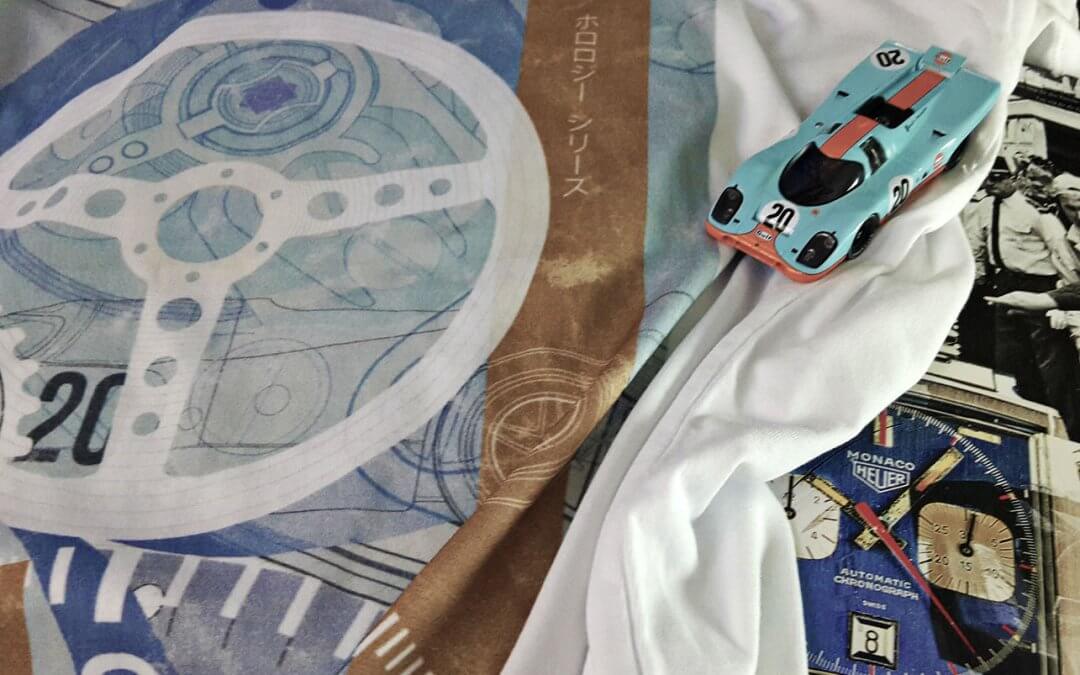
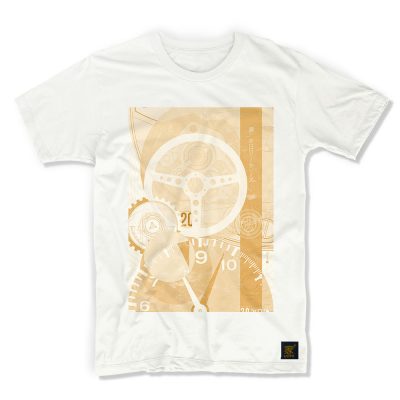
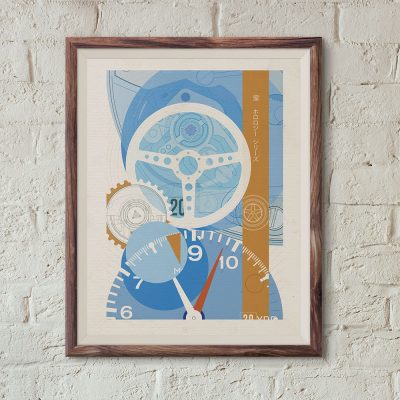
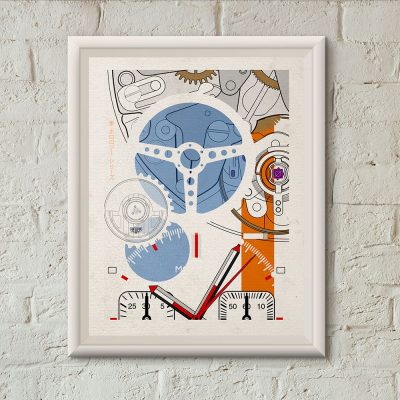
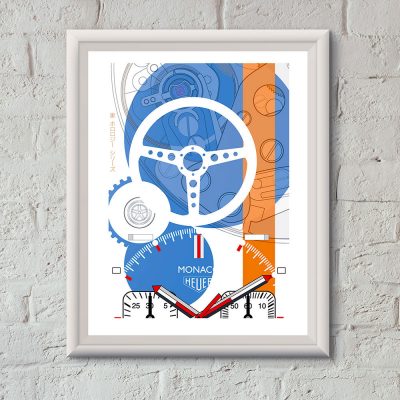
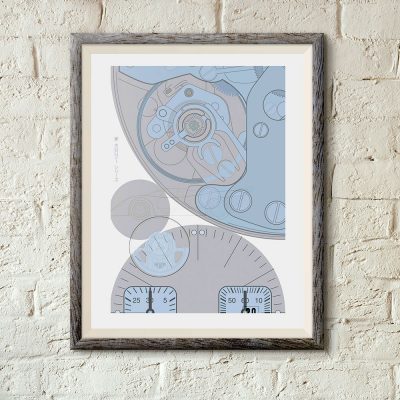
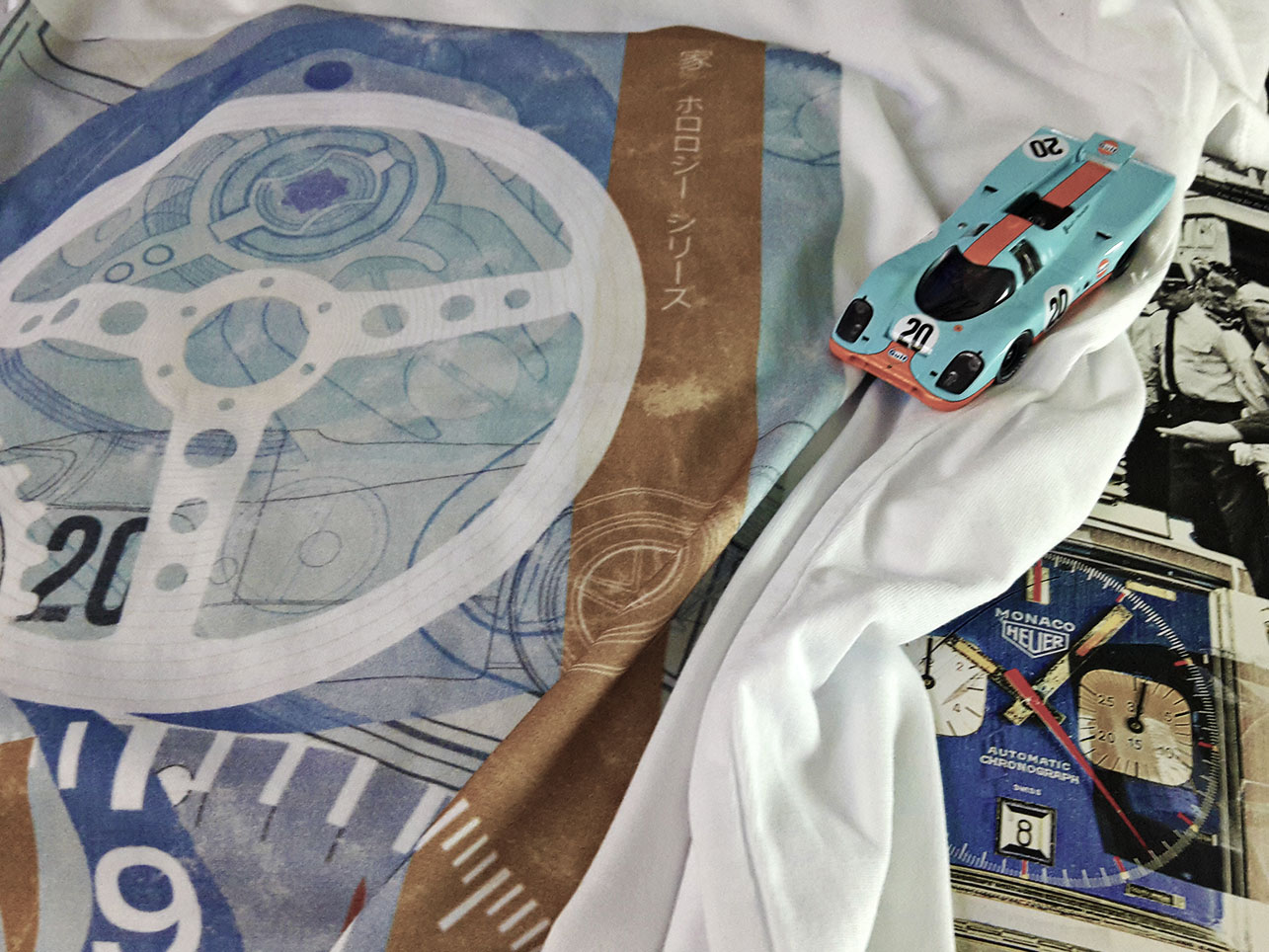
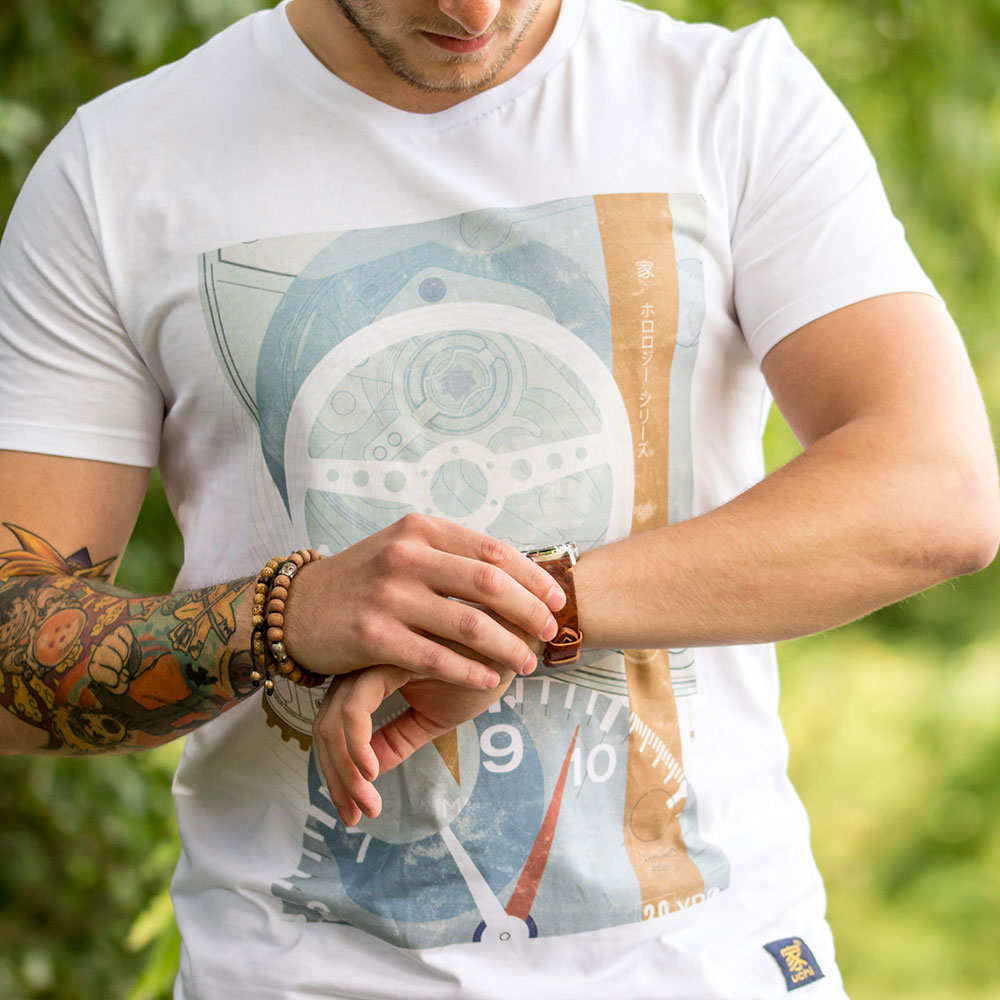
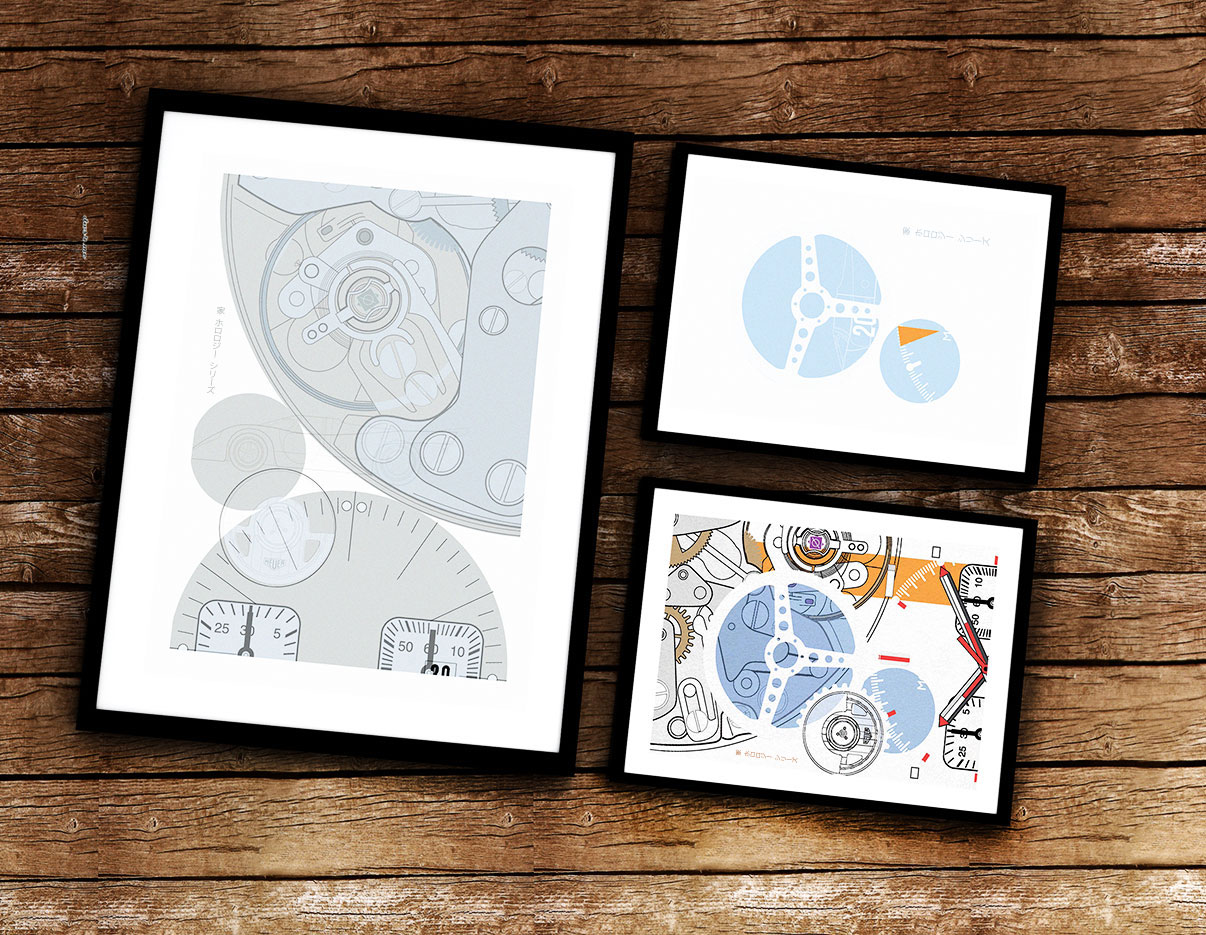
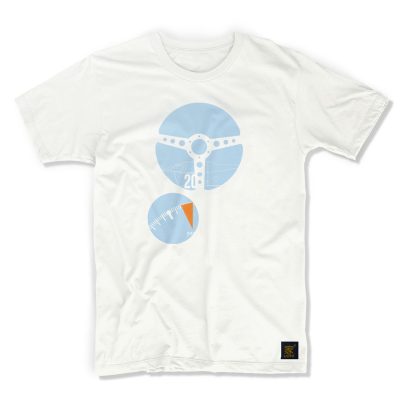
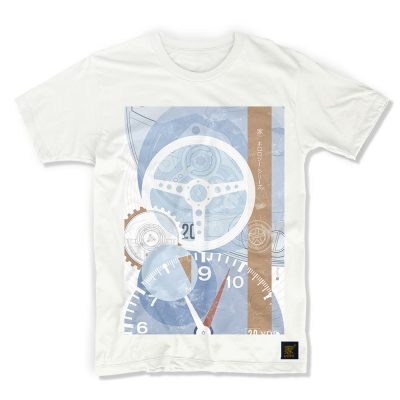
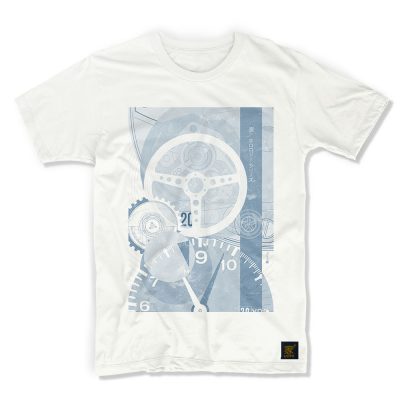
For our first Uchi Horology Series project, we’ve created a couple of unique TAG Heuer Monaco art prints and digitally printed t-shirts.

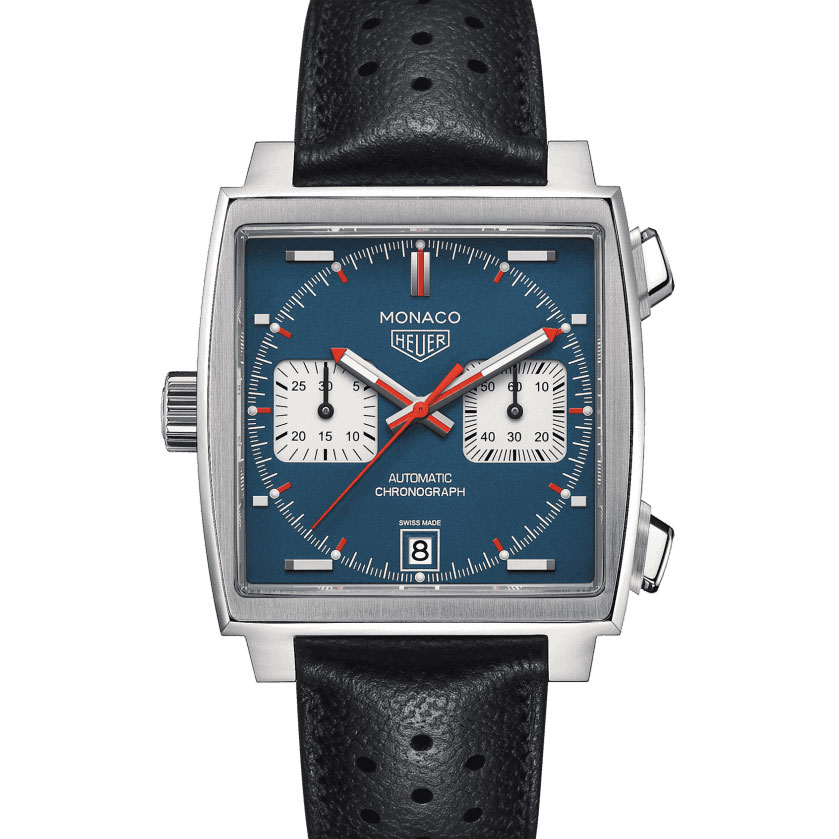
At the suggestion of our friends at Geckota, we took a classic – genuinely iconic – racing chronograph… So here’s our unique take on the Heuer Monaco. Not just any old Heuer Monaco either, but the famous Cal. 11 powered Ref. 1133B ‘Steve McQueen Monaco’. The watch that made history on McQueen’s wrist in the movie Le Mans

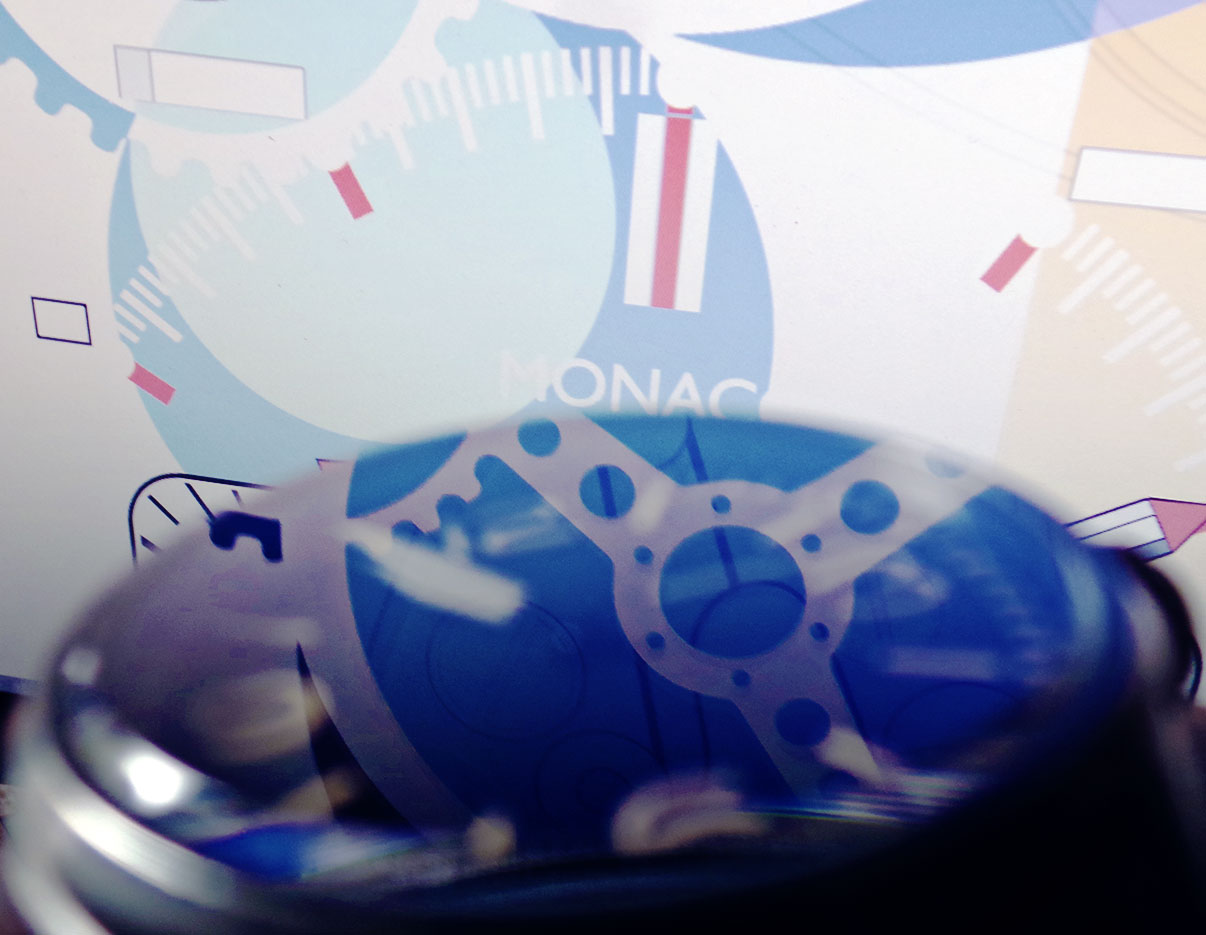
Highlights of this design include Heuer’s exquisite Cal. 11 movement. Then we added some Junghans references (imagine if Max Bill had designed the Monaco). There’s more than a nod to Jo Siffert’s Porsche 917K (Kurzheck, or short tail) too. In particular, references to the Number 20 car (chassis 917-024) driven by McQueen’s character, Mike Delaney. We bring everything together with a unique Uchi treatment showcasing our graphic design, typography, technical communication and design-for-print skills.

We hope you love your Heuer Monaco timepiece art as much as we’ve enjoyed researching, designing and printing it for you.

More on Heuer Monaco art prints and t-shirts

Our TAG Heuer Monaco inspired artwork and printed garments have been designed and crafted to delight watch collectors, racing fans and movie buffs alike.

Maybe you own a TAG Heuer Monaco watch or collect Steve McQueen art? If so, these designs have lots to offer. Equally, if you collect Le Mans art, Jo Siffert art or even Porsche 917 art, at least one these prints or garments really should be in your collection.

The inspiration for our Heuer art prints

The inspiration for these timepiece artworks comes from the famous avant garde Heuer Monaco watch worn by the late, great, Steve McQueen in the motor racing move Le Mans. Then, for good measure, we referenced the awesome Porsche 917K, itself an iconic sports car, driven by Mike Delaney, played of course by the King of Cool, Steve McQueen, in the film.

The birth of the Steve McQueen Monaco watch

According to Jack Heuer’s autobiography, The Times of my Life, the Heuer Monaco’s distinctive square case was designed by case supplier Piquerez. Swiss watch case makers Piquerez supplied many cases to Heuer in the 1960s. The Monaco wasn’t the first square-case chronograph. Universal Genève and others had manufactured square button chronographs for decades. What made the patented Piquerez case different was that it was the first fully water resistant square case. Heuer quickly negotiated a deal with the Jura-based firm to give Heuer exclusive use of the new design for chronographs. The story of the Steve McQueen Monaco, Heuer’s ‘Project 99’, with its Calibre 11 automatic winding mechanism, had begun. Now, half a century later, this innovative watch inspires the first Uchi Horological Series art work.

For collectors of Jo Siffert art too?

Great successes often come from serendipitous events. Uchi’s introduction to UK-based watch and strap company Geckota is a case in point. Our relationship was key to the launch of the Uchi Horology Series.

Heuer’s inspired decision to sponsor young Swiss racer Jo Siffert in the 1960s was similarly important. Indeed, Siffert was arguably the prototypical watch brand ambassador. Through a fateful series of events, the relationship gave Heuer’s watches the promotional boost needed to bestow iconic status for ever.

This was particularly so with Heuer Autavias such as the 1966 ‘Rindt’ Ref. 2446 and the panda-dial Ref. 1163T ‘Siffert’. And, of course, the most famous Heuer of all – the Steve McQueen Monaco.

In the late 1960s, Jo Siffert, who, tragically, was to die at Brands Hatch in 1971) was widely considered one of the greatest talents in Formula 1 and sports car racing. Because of this, our Heuer Monaco watch art works should also appeal to collectors of Jo Siffert art.

TAG Heuer Monaco

When Heuer was finalising development of the square-dialled ‘Project 99’ Monaco chronograph, Jo Siffert drove for Porsche in sports car racing events, including the annual 24 Hours of Le Mans. He was also the official Porsche dealer in Fribourg, Switzerland – an hour’s drive (or maybe less for Jo Siffert) south from Heuer’s La Chaux de Fonds factory. The Swiss also owned numerous contemporary racing cars, and was well liked and well connected on the Formula 1 and sports car racing scenes. This would soon lead him to involvement in Steve McQueen’s forthcoming project to direct and star in the greatest, most authentic, motor racing film ever made.

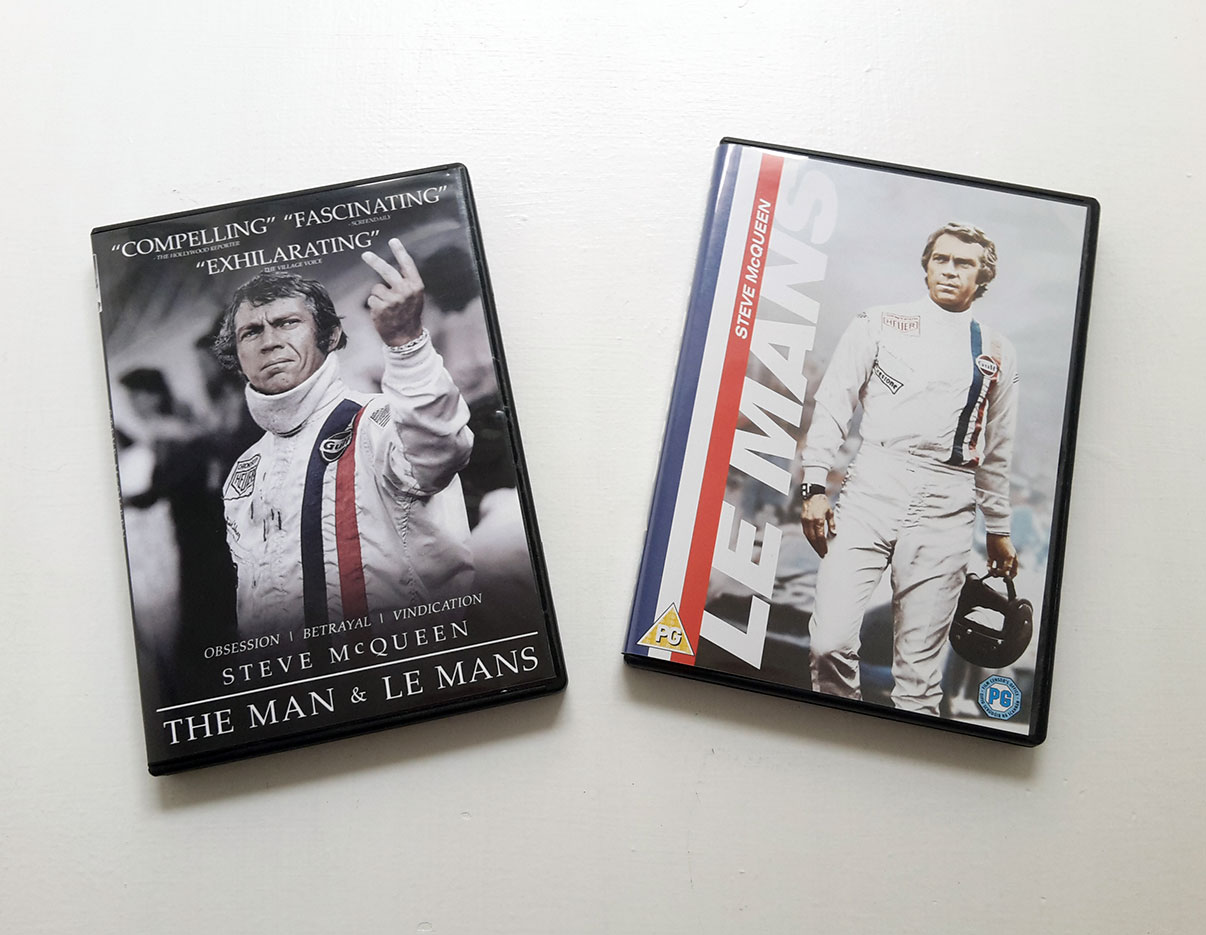
Steve McQueen Le Mans Film DVD

Racing watches for the Le Mans movie

By 1970, Heuer had appointed film industry property master Don Nunley to help with product placement in Hollywood movies. In June 1970, Nunley was property master on the forthcoming Steve McQueen film, Le Mans and needed a selection of watches and other timekeeping equipment. Heuer were quick to oblige…

Jo Siffert had joined the project to organise drivers and cars to for additional filming. This took place later in 1970, on the Le Mans circuit, using cars that had been in the actual race, interestingly, the whole 1970 race was filmed from trackside and from a camera-equipped Porsche 908. During the race, Siffert and co-driver Brian Redman drove the now-iconic Number 20 John Wyer Automotive (JWA) Gulf Porsche 917 that McQueen’s Mike Delaney drives in the movie. Unfortunately, despite leading the field on the first lap, and building a sizeable lead, they were forced to retire with gearbox problems while leading the race in the early hours of Sunday morning…

Steve McQueen wanted to replicate Jo Siffert’s look

McQueen was mentored by Jo Siffert and Gulf Porsche teammate Derek Bell during filming on the Circuit Permanent de la Sarthe after the 1970 Le Mans 24 Hours race. Though an accomplished sports car racer (who nearly won the 12 Hours of Sebring earlier in 1970), his insurers forbid him to drive in the actual French classic. No such bans applied to him driving the mighty Porsche 917 during later filming. McQueen loved Jo Siffert’s ‘look’, complete with Heuer-emblazoned racing suit and Heuer chronograph watch. He insisted on replicating this look exactly in the film, complete with the same racing suit.

At this point, the story goes, Don Nunley offered McQueen an Omega to wear. However, the star rejected this due to fears that Omega would exploit the association. Instead, McQueen chose the less well known Heuer Monaco Cal. 11 that now inspires the first Uchi Horology Series designs.

Not only was wearing a Heuer watch consistent with the racing suit logos for filming continuity. Significantly, the Monaco, rather than the round-dialled bi-compax Heuer Autavia that Siffert wore, was the only Heuer watch on set for which there were three identical copies (for filming, stills and backup).

The rest is watch, motor racing and cinematic history…

Further reading and viewing

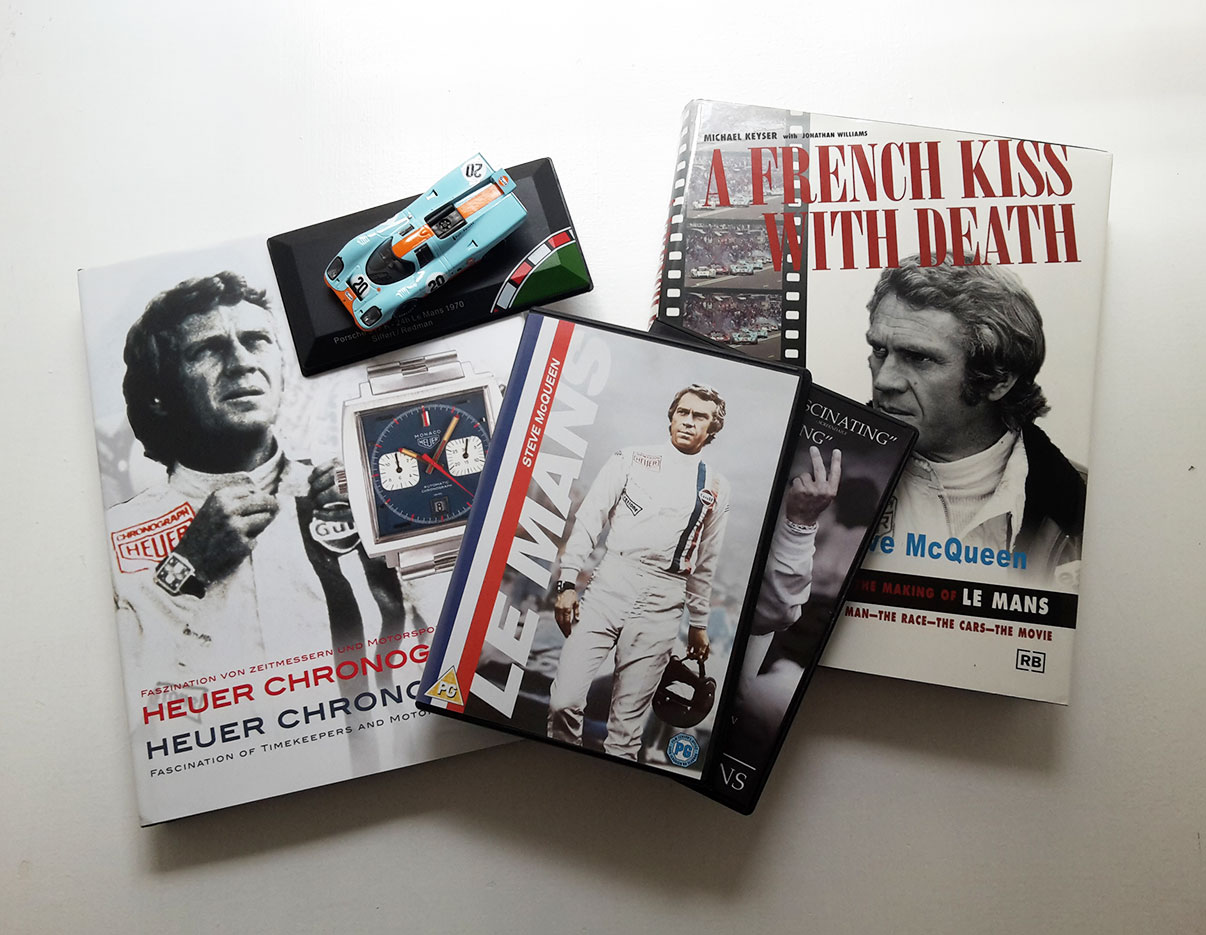
If you’re interested in exploring this fascinating story further, we recommend Jack Heuer’s autobiography, The Times of my Life. Other essential references for fans of Steve McQueen, Le Mans and the Heuer Monaco Cal. 11 are Michael Keyser and Jonathan Williams’ book, A French Kiss with Death: Steve McQueen and the Making of Le Mans, and Arno Michael Haslinger’s definitive watch reference titled Heuer Chronographs. The movie of Le Mans and the highly acclaimed 2015 documentary Steve McQueen: The Man and Le Mans will also be of interest – complete with visual references – during filming and in the finished movie – to Steve McQueen’s Heuer Monaco.

More on Heuer Monaco art prints and t-shirts

As you can see, our launch products for the Uchi Horology Series come with impressive historical influences and a great back story.

TAG Heuer Monaco Watch Art – Heuer Art Prints – TAG Heuer T-shirt

This is must-have suite of high quality Heuer art prints finalised for digital, Giclée or digital t-shirt printing. Will you choose one of our digitally printed TAG Heuer art prints, several striking t-shirts, or a print and t-shirt set?

Whatever you select, you, or a lucky gift recipient, can look forward to a product designed and manufactured with passion and attention to detail. The same kind of passion and attention to detail that Steve McQueen put into Le Mans. And that Heuer (the watchmaker only became TAG Heuer in 1985) put into its now-iconic Monaco racing chronograph.

It’s time to choose your Heuer Monaco art work

So, which of our tribute art works to the classic Heuer Monaco, the King of Cool, and a golden age of sports car racing will you choose?

Welcome to the Uchi family and our unique Horology Series.

uchi Timepiece Art - TAG Monaco print

View the uchi horology series

Written by
Al Hidden
June 2018

The Universal Chemical Elements of the Human Body T shirt

The Universal Chemical Elements of the Human Body T shirt

Track 56: The Universal Chemical Elements of the Human Body

What are we made of?
What are the elements that make up the human body?

The first question sounds a little metaphorical and will probably be addressed sometime in the future. But for now, the latest uchi track addresses the physical, or, more accurately, the chemical. I’m a science geek and a T shirt showing the chemical elements that make up the human body has been on the back burner of my mind for some time. It felt right to follow the last uchi T-shirt “Stereotype” with another typography design – contrasting, but also related. Think of it as the B Side to Stereotype.

The Brief

A T-shirt displaying the chemical elements of the human body.

The research

A bunch of stats from various academic websites to get the elements as well as each element’s mass (all with slightly varying approximations). I’ve since learnt that the exact amounts vary from person to person.

The design process

So how do you display the elements of the human body in a simplistic design? A graphical, infographic design? Maybe a pie chart or graph? Following on from ‘Stereotype‘, I thought “simple is best” and decided to rely solely on text and my typographical training to communicate the idea.

I wanted the names of each element to be printed in proportion to each other’s relative size. But this proved problematic, in terms of both design and print.

I’ve got about 99 elements but gold isn’t one of them

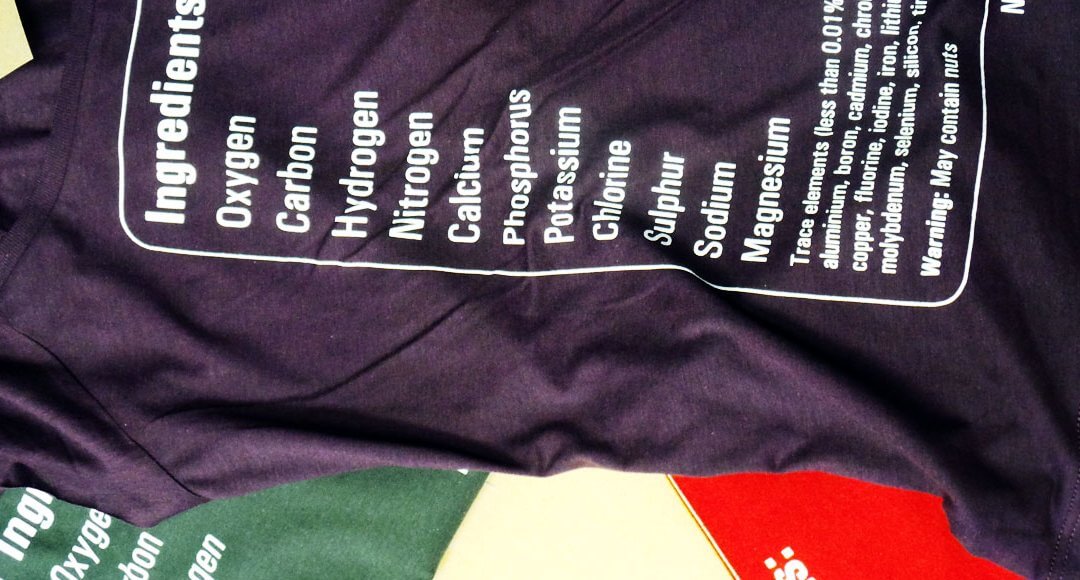
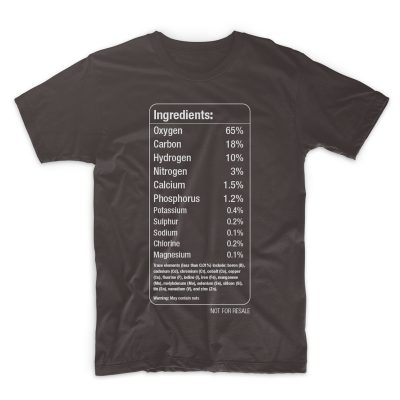
The human body is composed of 11 main elements, with six of these (oxygen, hydrogen, carbon, nitrogen, calcium and phosphorus) making up almost 99% of us. In fact we’re all mostly oxygen (65%), carbon (18%) and hydrogen (10%). The other eight elements that are vital to life, include calcium, potassium and molybdenum. But they amount to such small amounts, that by the time you reach magnesium (0.1%) the text would be unreadable on a T-shirt.

So I ditched the ratio idea in favour of a more aesthetically pleasing design. Starting with oxygen and ending with tin, each element’s representation would be slightly smaller than the one before it. I liked it. However, though simple, it wasn’t technically accurate. That was because the order of the trace elements was determined by the size of the word representing them – not by their mass. This bugged me.

Despite this, I was satisfied enough to show it to a couple of friends. Based on their well-rounded criticism (and approval), I thought about the challenge some more; that was when the ‘food label’ idea hit me.
Imagine a food ingredients label listing the constituents – the ‘ingredients’ of us. Clever and intelligent, I thought. I’ve typeset hundreds of food and drug labels in my time. So again, this should be easy enough.

Ingredients of the human body

Track 56 - Helvetica
Once the ingredients label design was finished, I still wasn’t entirely happy. Composition wise, everything was fine. All the relevant information was there and nothing more. Plus, the ingredients label premise allowed me to add a couple of extra touches that worked.
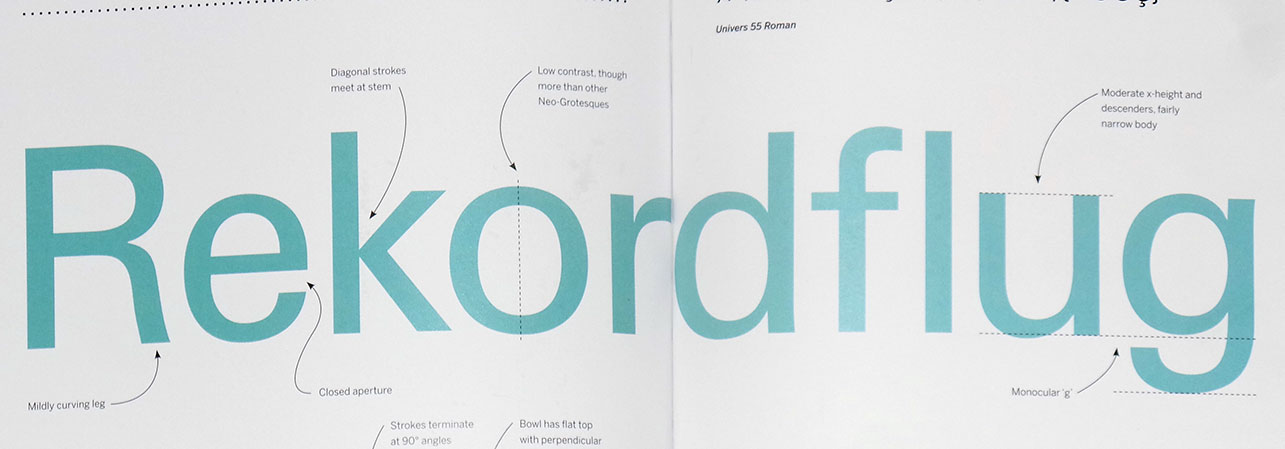
I’d used Helvetica Condensed for the ‘Stereotype’ T shirt, so it seemed right to use the same typeface on the B-side. However, at the last minute I decided to revisit my phototypesetting roots and changed the typeface from Helvetica to Univers. In doing so, I realised what had been bugging me.

About the Univers Typeface family

The Univers typeface family was developed by Adrian Frutiger for the French type foundry Deberny & Peignot. Like Helvetica, it’s based on the 1898 Akzidenz-Grotesk typeface family. However, it lacks Helvetica’s superfluous features and has a more uniform stroke and balance that makes it a perfect typeface for tabular data and forms. Univers also has cleaner lines and better legibility at great distances. On it’s release in 1957, the marketing for Univers deliberately referenced the periodic table to emphasise its scope.
Though its popularity peaked in the 60s and 70s, Univers is stll widely used. Past and present corporate IDs using it include those of General Electric, Deutsche Bank and eBay, while Audi uses a modified version of Univers called Audi Sans. Apple keyboard key-caps before 2003, Ordnance Survey maps, a host of transport systems (including Frankfurt International Airport) and Walt Disney World, are among many other high-profile users.
So, pun intended, Univers was the perfect universal typeface choice for a universal design.

What to do when you realise your idea isn’t new

What to do when you realise your idea isn’t new

For a while I’ve had an in the back of my mind an idea for a T shirt design. Many ideas roll around for months, sometimes years before they get dealt with. This is normal. Most of them never manifest into anything. This particular idea was pushed to the front of my mind by various events connected to my last project, the Stereotype T shirt. So, it felt like the right time to do it.

As it was now at the front of my mind, more ideas where coming thick and fast. It was a “now or never” type situation. I now had some solid thoughts on how it could be executed. If it’s not done now, it will slip back to the recesses that will only be used as reference for a future design at a later time. You don’t want to sleep on these moments of creativity and loose the urgency. It’s like waking from a profound dream and not writing shit down. You know it will all be forgotten by midday and only vague recollections will remain.

Like a pen and pad next to the bed, over the next few days I produced something I was happy with. I asked a couple of people for opinions, initial thoughts. Based on some feedback and with the original conception still front of mind, it was revised and improved. Two days later I was confidently sending the finished artwork off to be printed the following week. With more than a week before it would actually be produced, I had time.

I produced a mock up of the design on a T shirt and it was now online for sale.  I wrote a blog – The idea behind the T shirt design; the research, background information, the process and the problems I encountered whilst working on it. I had time even to send the blog to a copywriter friend of mine for critical analysis.

Don’t believe your hype

A few days later,  I was still waiting for feedback on my blog which, I believed to be about a fairly original T shirt design. There’s little point in writing for the web without doing doing some research, better late than never, so I decided to check what Google was saying. I searched the title of my blog. To my disappointment, I found a bunch of T shirts with ‘my original idea’.  After my initial disappointment, the next reaction was, “I’m going to have to contact my printers and tell them to stop”, followed by more disappointment. Then, “I’ve just spent hours of work for nothing” – more disappointment and now, frustration. “And, I spent hours writing a blog about this!”. “People will think I just copied someone else’s idea!” .

And then I had a realisation. My ego and naivety believed it had an original idea. On reflection, I should have known better – especially with such an obvious subject matter. This isn’t the first time I’ve done something that I thought was unique, only to find it already out in the world, in a similar guise. I rarely take the time to look around to see if an idea has already been done. If I do, most of the time, if the subject matter is important enough, I will try and do it better. If it isn’t, I just won’t do it at all.

Believe your hype

Should I research more before I commit to a design that I feel is unique? Or, should I discover it for my self with no distractions? The most important thing is, I know why I did it. My ego and naivety created this because I wanted to express something through uchi. I didn’t need other designs to influence if and how I should do it.

Google “Elements of the Human Body T shirt” and you’ll find plenty of nice and and some just decent variations.
I’m glad I didn’t stick with the first idea I had. I’m pleased I didn’t notice what others had done. I simply wanted to create an ‘uchi’ T shirt featuring the elements of the human body, and so, that’s what I did.

error: Content is protected !!